Stellantis CEO Filosa Says US EV Adoption Will Come—Just Slower Than Elsewhere

Summary
Stellantis CEO Antonio Filosa says he believes the US market will eventually embrace EVs, but expects a slower, more regional transition than in Europe and Asia. His comments mark a shift from former CEO Sergio Marchionne's outright anti-EV stance, though Stellantis still trails rivals on electrification.
Stellantis has never been a bastion of EV enthusiasm and progress. Back in the day (about 10 years ago), Sergio Marchionne was a very openly, blatantly anti-EV CEO. He actually asked customers to not buy their first electric car, the Fiat 500e.
Stellantis is still dragging its feet on EVs in the United States and elsewhere, but the assumption at the top seems to have shifted to believing that the whole industry will transition over the EVs eventually. Just not today.
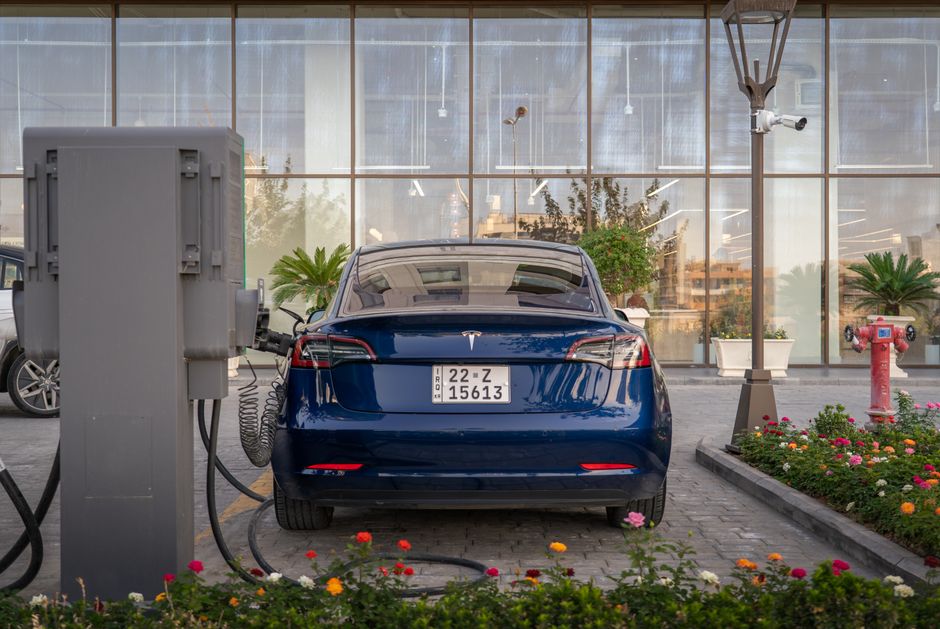
CEO Antonio Filosa recently said that the US would eventually embrace electric vehicles, but that EV adoption is just slower here than in other regions (where there’s a combination of much more model choice, more government support, more EV awareness, and not so many barriers at the dealer level).
Filosa notes that the share of new auto sales that are electrics is just 7% this year, about the same as five years ago. “It has been a bubble driven by regulation. But then, when the administration has decided to deregulate, the consumers have been preferring other powertrains,” he added. It’s hard to argue with such claims. There are barriers to more sales, as already noted, but Americans apparently haven’t stormed dealerships looking for EVs except in certain rare circumstances. The fact is: more vehicle options and probably better consumer awareness have led to countries across Asia, Europe, and South America rapidly increasing their EV adoption rates and catching up to or passing the US market.
“The level of magnitude and the speed of transition is going to be lower for sure than other regions,” Filosa predicted, but he said he “truly” believed the market would eventually boom in the US.
As others have noted in recent times, Filosa says the automobile market is becoming more regional again, less global. That may be the case, but it is also clear that some EV companies, most notably BYD, are rapidly expanding across the globe and helping to spur on much quicker EV adoption. The issue with the US is that it’s blocking such companies with severe 100% (and higher) tariffs. So, the US is getting no boost from these highly competitive new vehicles.
What we have seen — whether in Europe, China, Australia, or Ecuador — is that markets that have a lot of EV choice and that have automakers trying to sell a lot of EVs can, in fact, find buyers. So, it’s hard to believe the claim that consumers in the US just don’t want EVs. It seems more likely to me that we don’t have enough EV options, automakers don’t try very hard to sell their EVs if they don’t have to, and there are significant barriers to put in front of consumers when they go to car dealerships. Is Filosa right — that Americans just don’t want EVs that much yet without serious incentives from the government? Or is he just singing the same old disingenuous or wrong song in saying that Americans by and large aren’t ready for EVs yet?


Comments
No approved comments yet. Be the first to comment.
Leave A Reply