Africa E-Mobility Week Forum Shows Sector Shift From Startups to Scaled Electric Fleets
Summary
The 5th Africa E-Mobility Week & Forum, held for the first time in Southern Africa at Stellenbosch, drew 320 participants from 42 countries and highlighted the sector's growth from pilot-stage startups to large-scale electric mobility investment. Organizers say the conversations have moved from putting hundreds of motorcycles on the road to companies raising hundreds of millions to scale electric two-wheelers, buses, and heavy-duty trucks.
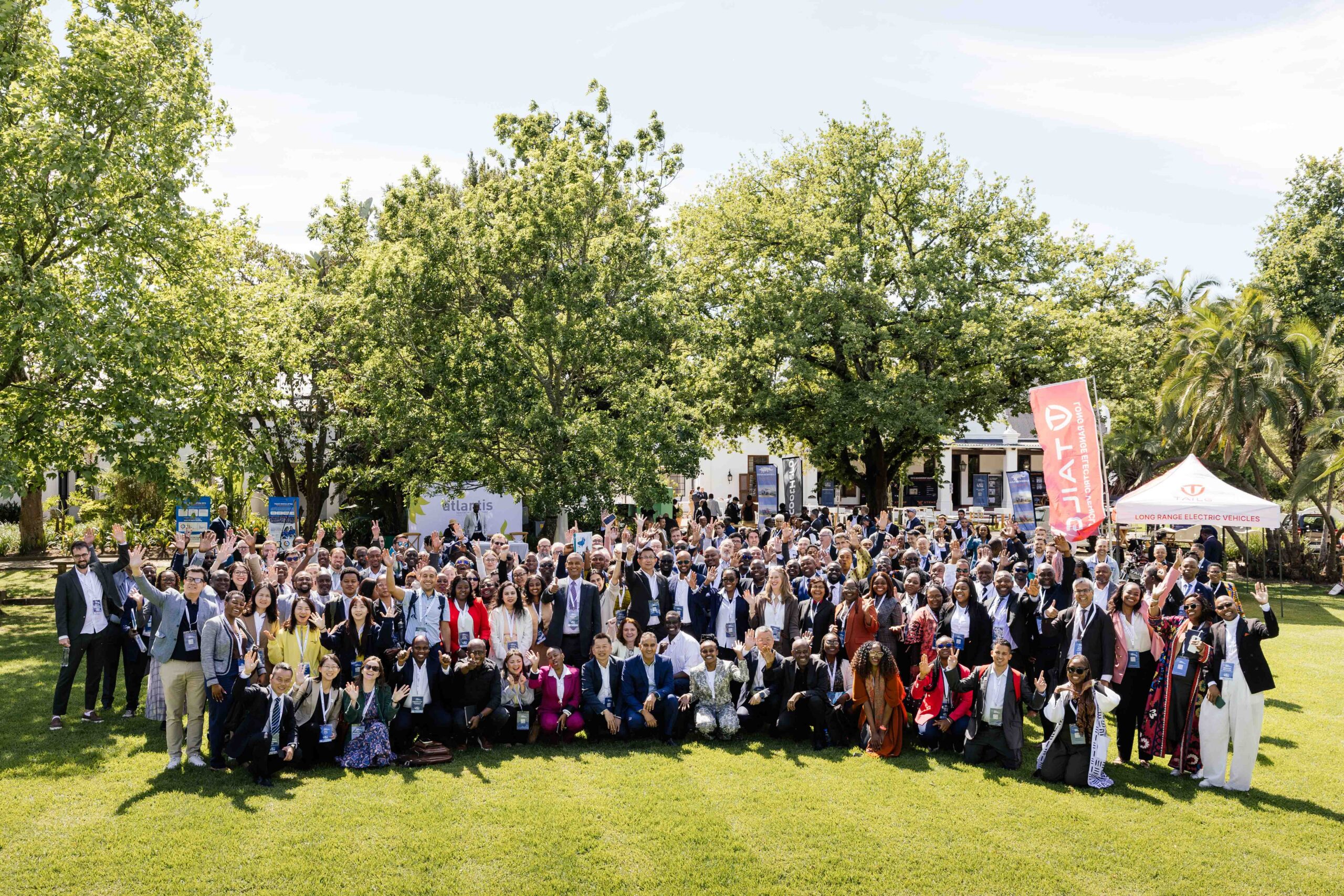
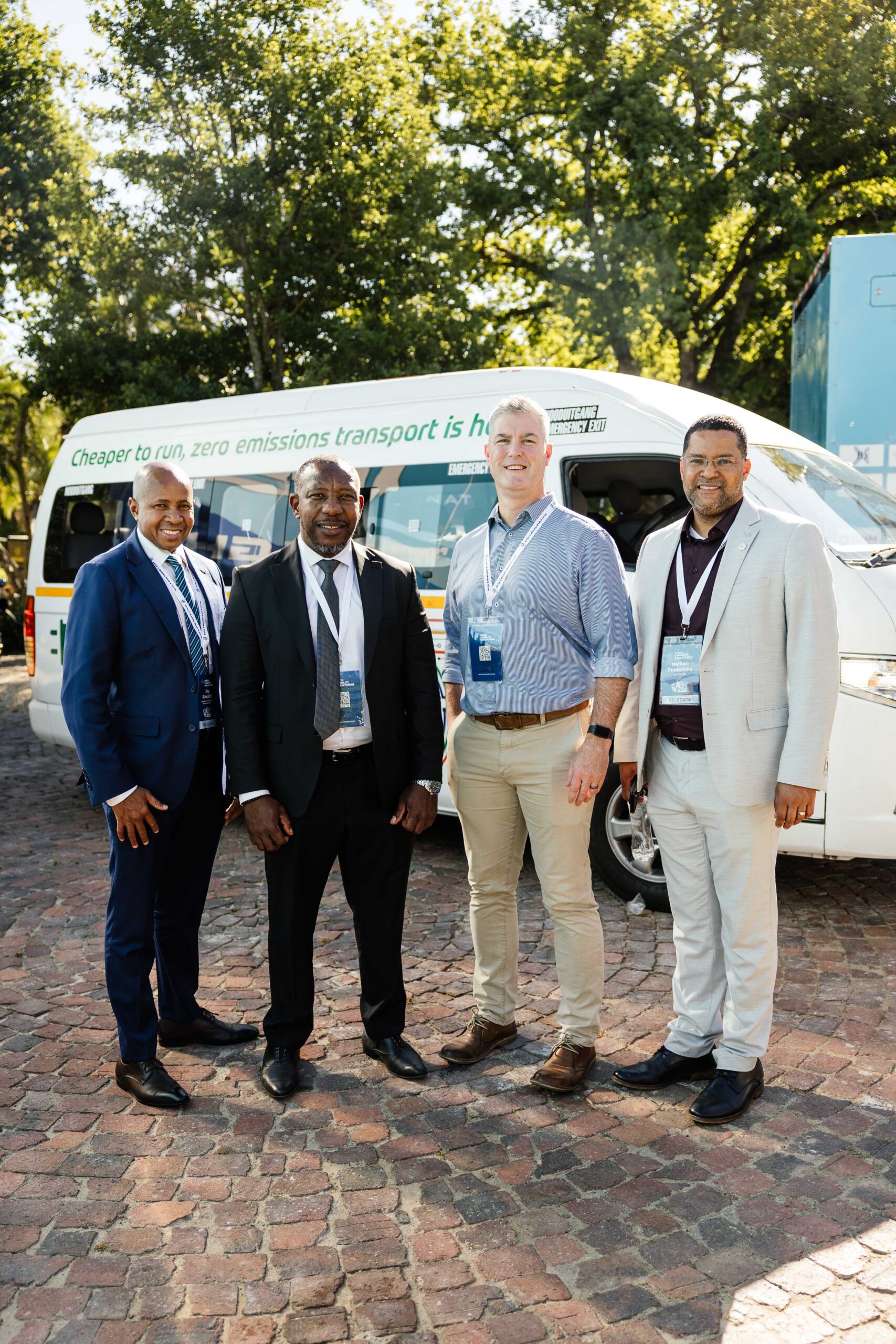
The 5th edition of the Africa E-Mobility Week & Forum was held at the end of last month at Nooitgedacht Estate, Stellenbosch, Western Cape, South Africa. It was the first time the event had been held in Southern Africa, with earlier editions having been held in East Africa (in Kenya and Ethiopia). The 6th edition will be held next year in West Africa. It’s great to see how this event has grown since inception. This year’s edition had 320 forum participants from 42 countries. It was convened by the Africa E-Mobility Alliance (AfEMA), United Nations Environment Programme (UNEP), African Union Commission (AUC), and United Nations Economic Commission for Africa (UNECA).
The earliest editions of the Africa E-Mobility Week & Forum were held at a time when Africa’s e-mobility sector was still mostly driven by a core group of startups that were moving from early pilot projects funded by small grants and some equity investments. Most of those companies were looking to secure larger investment rounds to scale their business models, having validated the market. A lot of this action was in East Africa and West Africa, with some activity in North, Central, and Southern Africa. A large percentage of players that were active at the time were in the electric motorcycle sector, a logical entry point given the large addressable market of over 30 million ICE motorcycles operating as taxis on the African continent. The unit economics also looked good, and hence it was a logical market to start with compared with other vehicle segments. We then started seeing more activity in the electric bus sector in the following years, and then more recently, the electrification of heavy-duty trucks for Africa’s transport corridors is starting to get more attention.

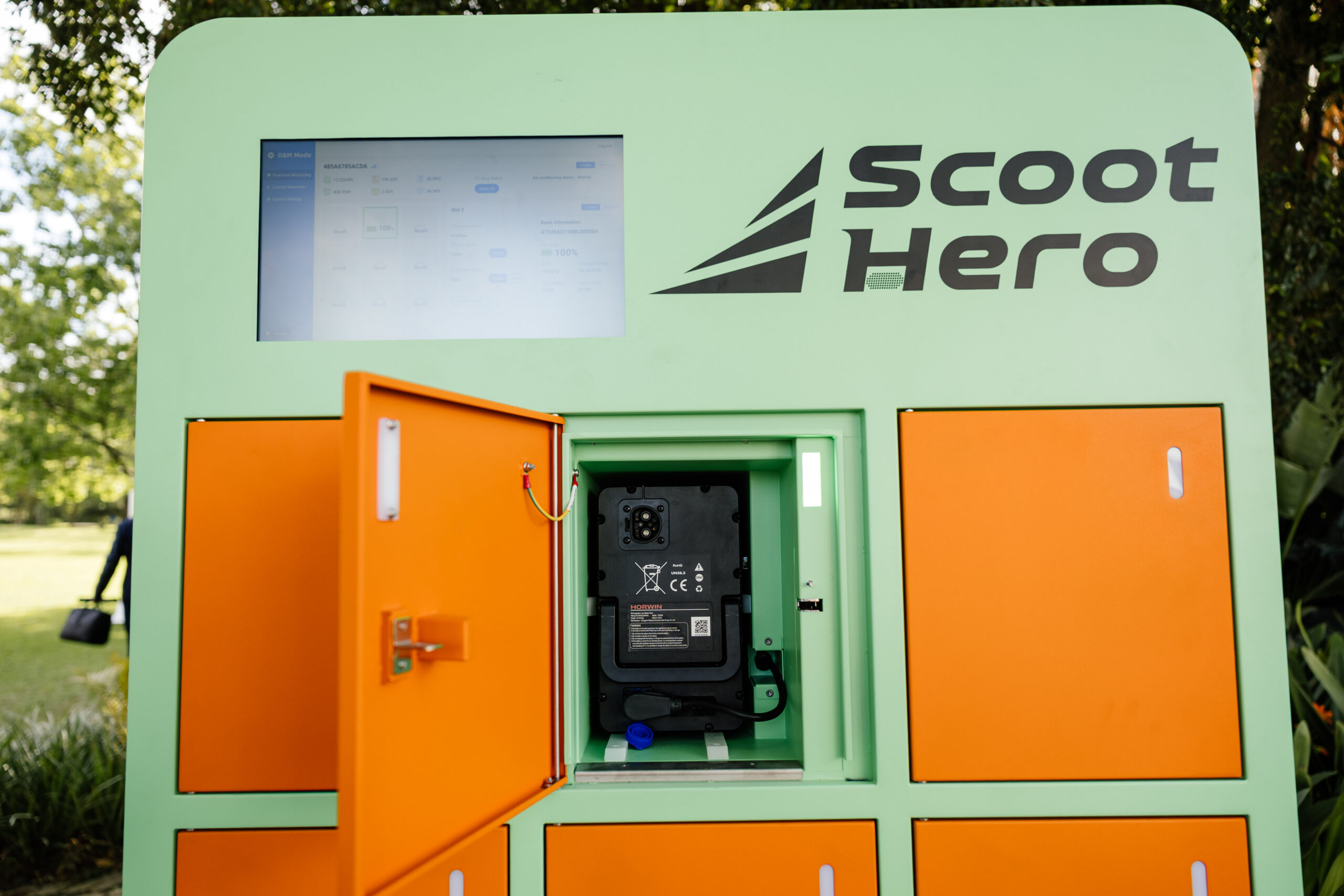
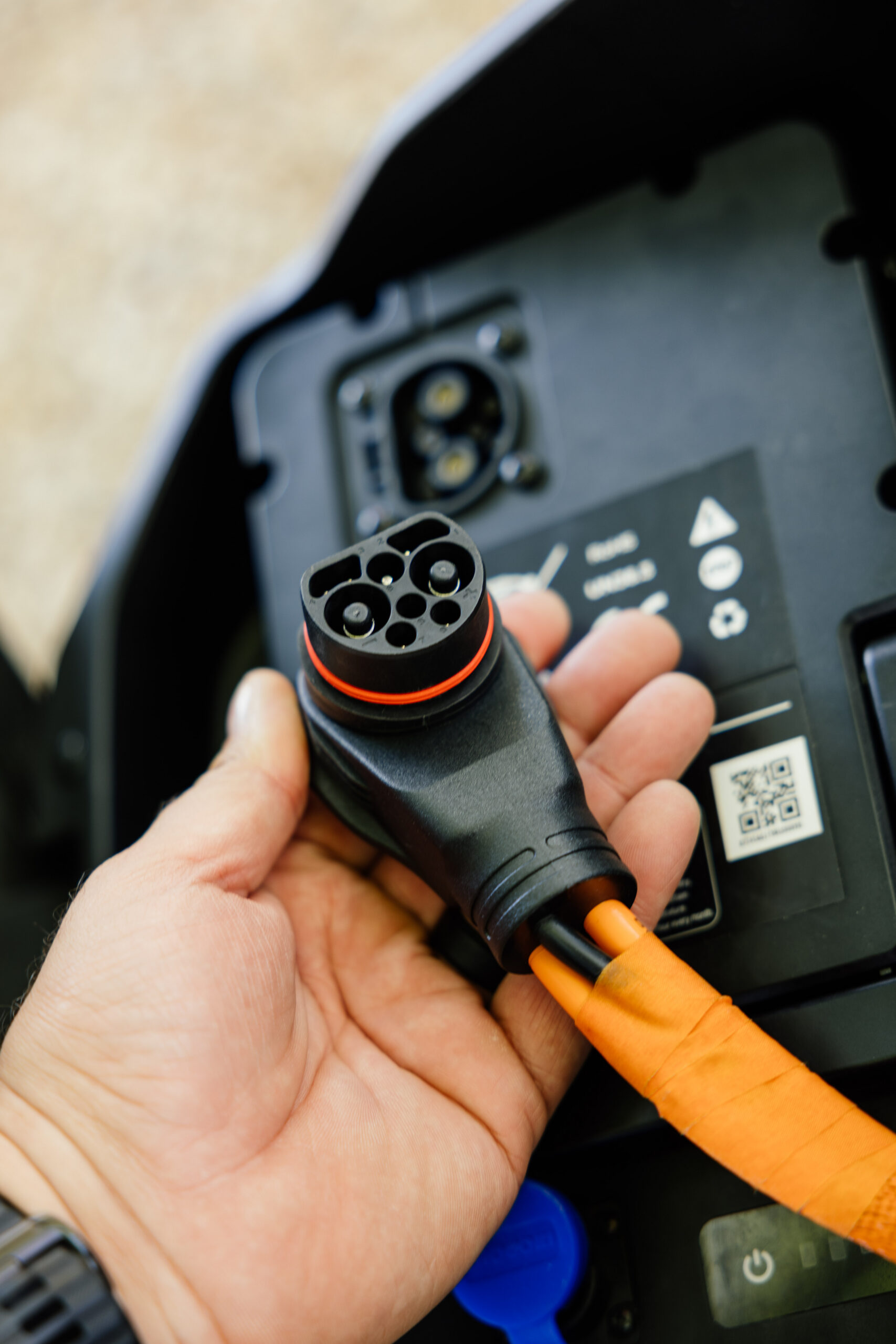
To highlight some of the progress on the African continent since the early editions of the Africa E-Mobility Week & Forum, conversations have shifted from small startups working to put tens or hundreds of motorcycles on the road to an era when companies like Spiro have raised over half a billion dollars, now have over 150,000 electric motorcycles on the road, and have 2,500 battery swap stations across several markets in Africa. We should also note that the majority of startups operating in the electric motorcycle sector and other sectors still require similar large funding rounds to really take the market mainstream across the continent. Therefore, more support in terms of funding is still needed.
Progressive policy from countries such as Rwanda, Ethiopia, Egypt, Nigeria, and Mauritius, amongst others, has helped catalyse adoption of electric cars in those markets. In Ethiopia, for example, there are now close to 150,000 electric cars on the road. The crisis in the Middle East and the resulting high fuel prices have started to have an effect as well, with sales of electric cars surging in South Africa and Egypt. Egypt, for example, is forecasting it will register close to 30,000 electric cars this year! 30,000 electric cars in 12 months is incredible progress.
As the African continent now looks to be on the verge of mainstream adoption in certain vehicle segments, the conversation is starting to shift towards how African countries can benefit more from electric mobility and the overall energy transition. With demand for resources to drive infrastructure around AI and data centres, and given that the resources required can be found on the African continent, the conversation is getting deeper.
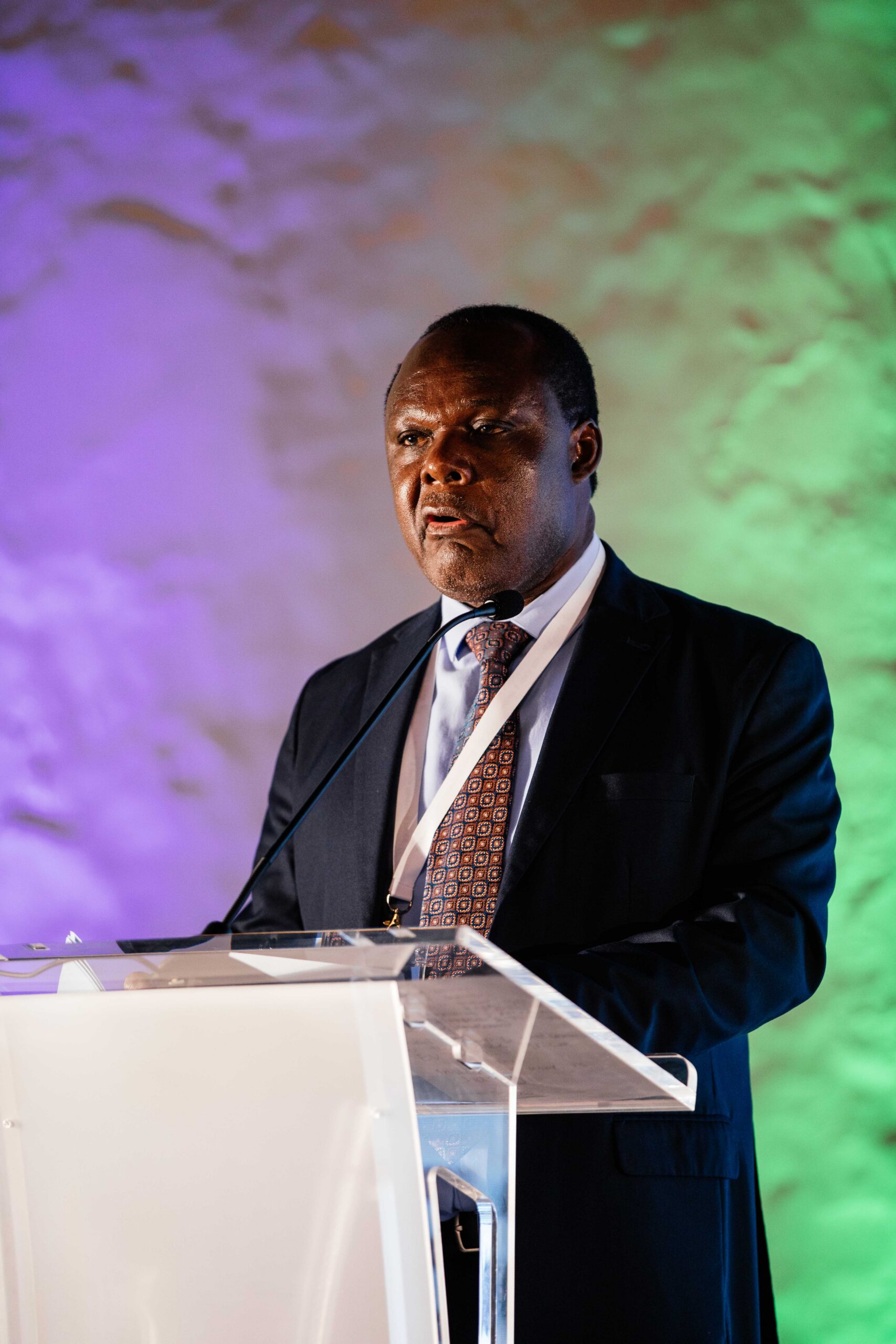
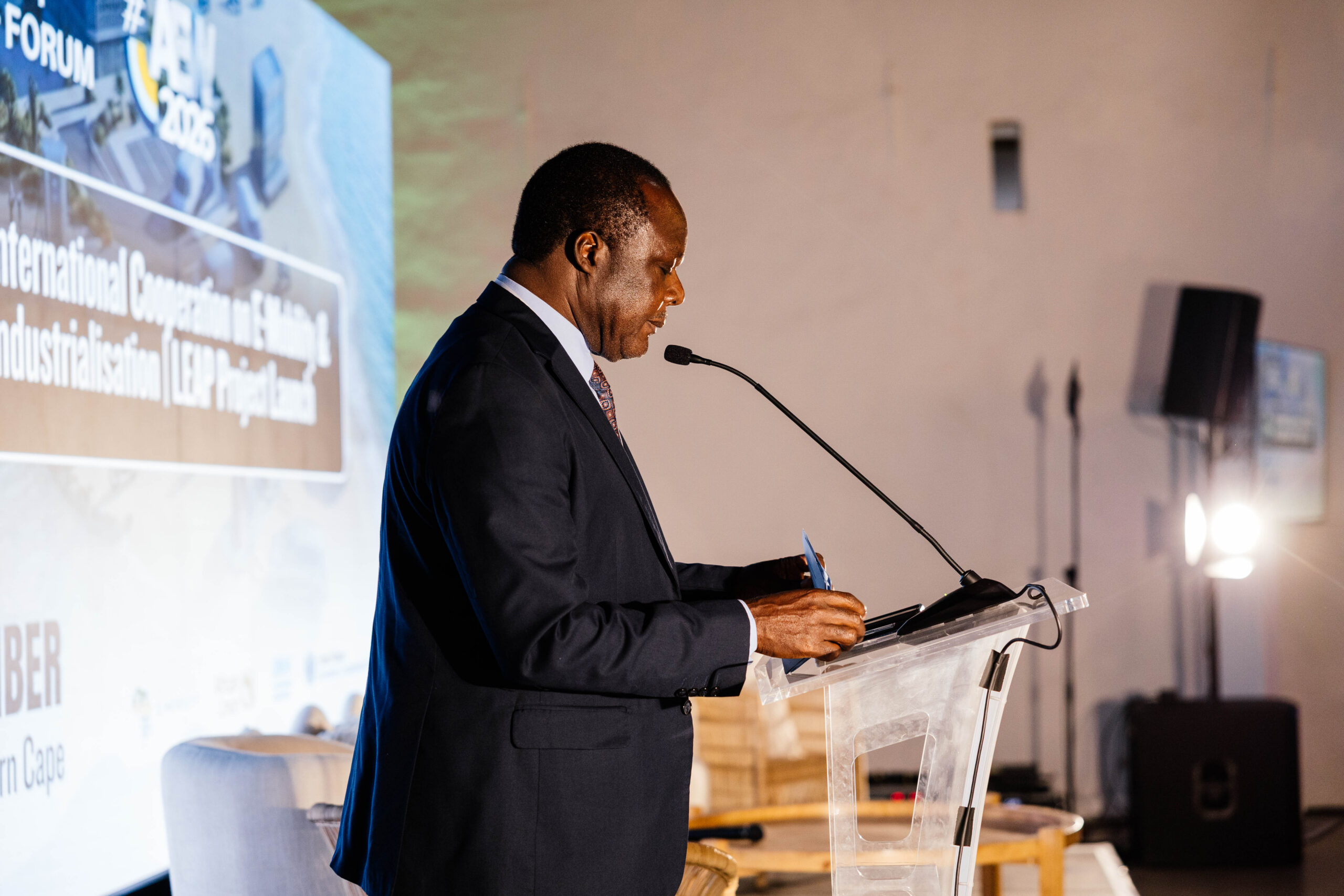
A good number of conversations at the this year’s Africa E-Mobility Week and Forum focused on how African countries now need to move from just being importers of new technology. They can take advantage of this transition and leapfrog into more value addition of their resources, including localising as much of the value chain around electric mobility as possible. Speaking at the 2026 Africa E-Mobility Week & Forum, the Principal Secretary, State Department for Industry, Ministry of Trade and Industry, Kenya, Dr. Juma Mukhwana, said Kenya is working to encourage more localisation, adding that Kenya has over 400 automotive component manufacturers and that Kenya wants to encourage roping these into the e-mobility ecosystem rather than relying on imported fully built units.
I am looking forward to the next edition of the Africa E-Mobility Week & Forum in West Africa in 2027 and excited to see how far along the e-mobility sector will be in Africa.




Comments
No approved comments yet. Be the first to comment.
Leave A Reply