Amflow launches TL Carbon SUV-style e-bike and brings PR Carbon series to the US
Summary
Amflow is expanding its lineup with the global launch of the TL Carbon, an SUV-style electric bike built on its high-performance mountain bike DNA, and the US debut of the removable-battery PR Carbon series. Both models use Avinox mid-drive motors, with the full-suspension TL Carbon offering 125 Nm of torque, an 800Wh battery, and a 22.6 kg weight starting at $3,899.
Amflow, the electric bicycle brand that burst onto the scene with some of the most powerful and lightweight electric mountain bikes on the market, is expanding its lineup with two major releases. The company has announced global availability of its new Amflow TL Carbon, while also bringing its removable-battery Amflow PR Carbon series to the US for the first time.
Both models are powered by the latest Avinox mid-drive motor systems, which have quickly earned a reputation for delivering impressive power in surprisingly compact packages.
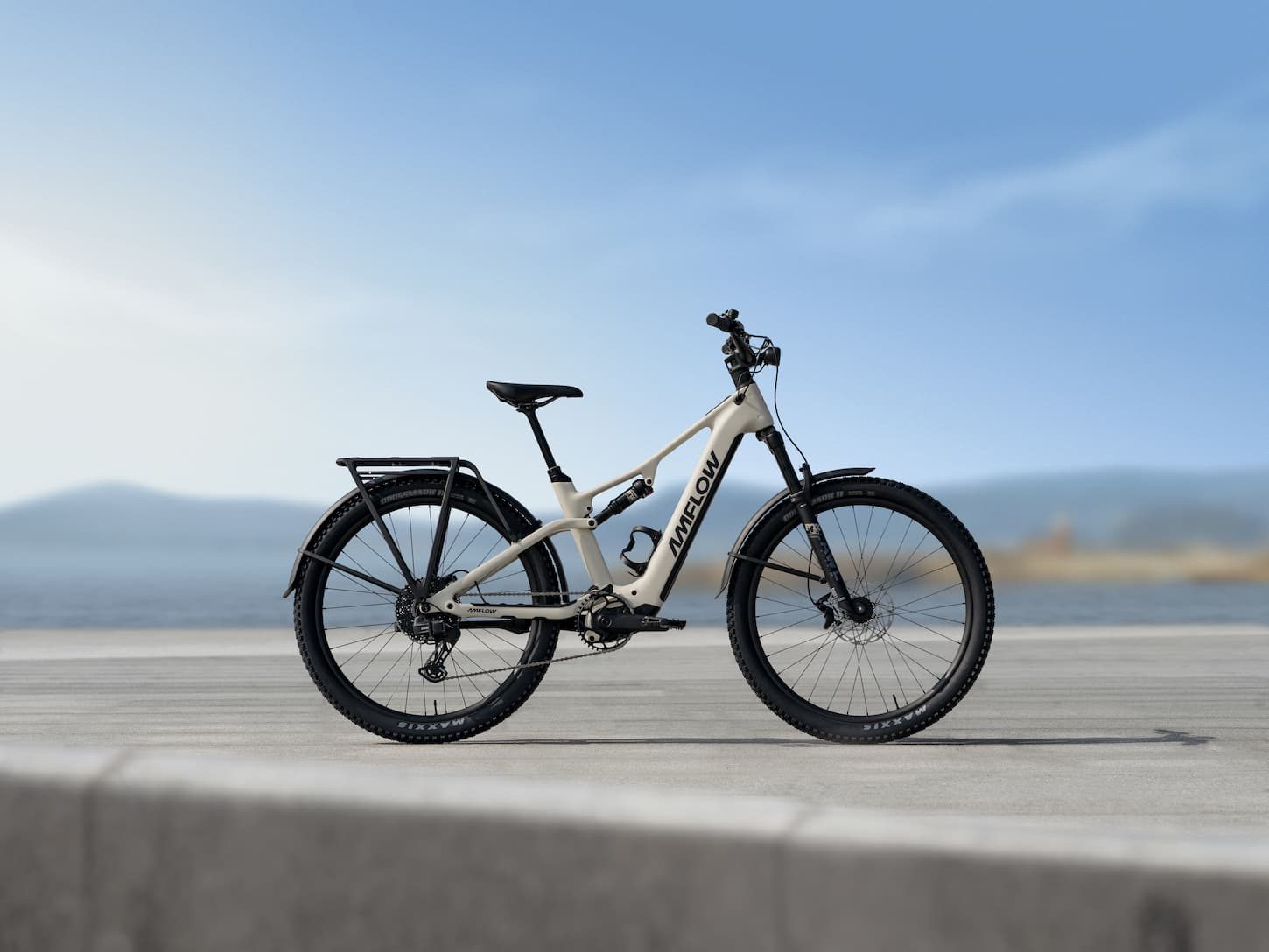
The biggest departure from Amflow’s roots is the new TL Carbon, which takes the company’s high-performance mountain biking DNA and applies it to a more versatile SUV-style electric bike. While less common in the US (ironically), SUV-style e-bikes are essentially a hybrid electric bicycle designed to act as an all-in-one, “do-it-all” vehicle combining the rugged build and off-road capability of an electric mountain bike with the practical, everyday utility of a city or trekking bike.
Rather than focusing exclusively on technical trails and aggressive mountain biking, the TL Carbon is designed to handle everything from daily commuting to touring and off-road adventures. And with Avinox’s RS800 battery featuring 800Wh of capacity, it’s got plenty of energy on board for diverse adventures.
The full-suspension bike uses the Avinox M2 motor, delivering up to 125 Nm of torque, which should provide more than enough grunt for steep climbs, heavy loads, and just about anything else riders can throw at it.
Avinox e-bike drive systems are known for many things, but chief among them is the extremely high power and torque they offer, eclipsing most other mid-drive motor systems on the market.
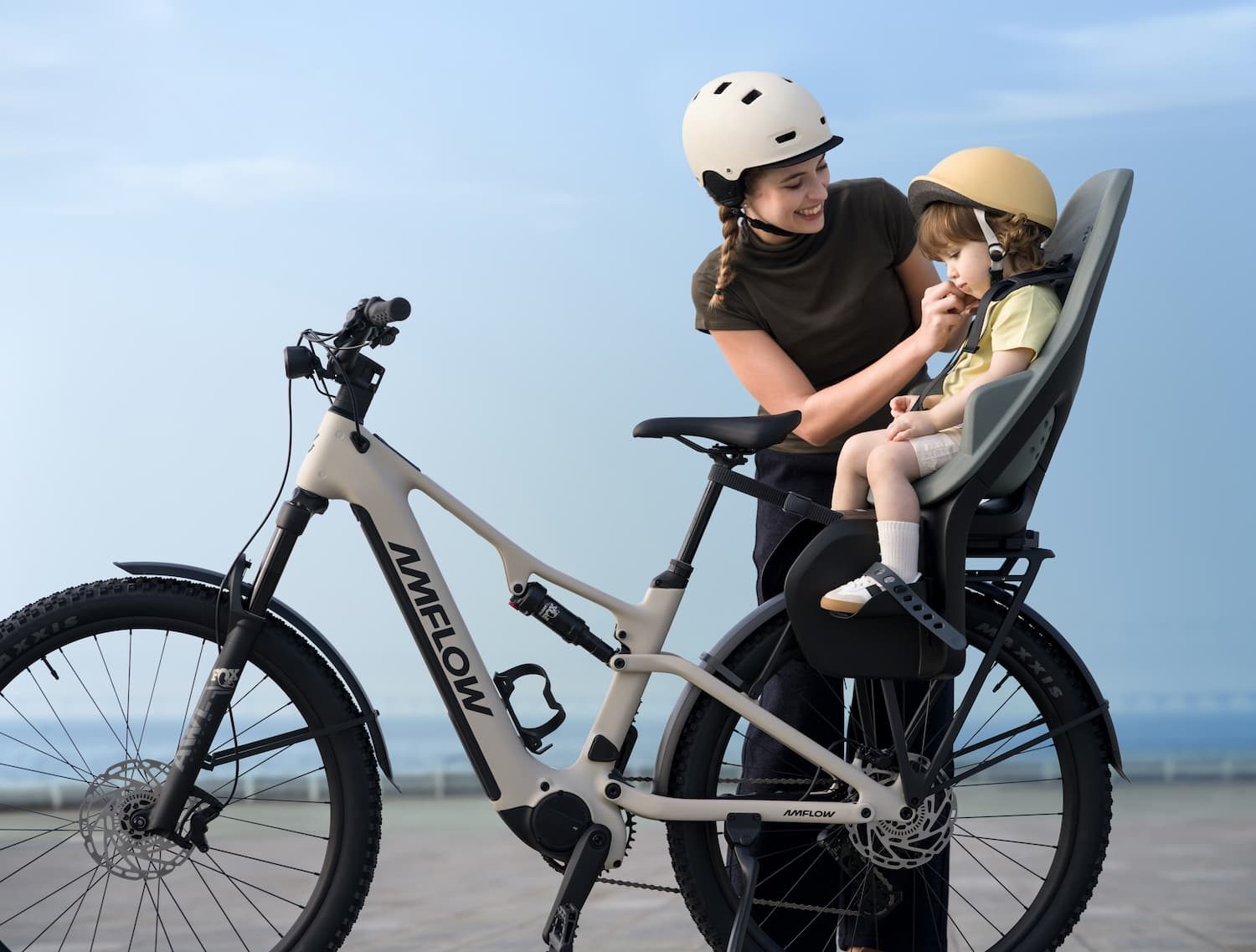
Despite that power and versatility, the TL Carbon weighs as little as 22.6 kg (49.8 lb). It also boasts an impressive maximum total weight capacity of 200 kg (441 lb), including the bike itself, rider, and cargo carried on its front and rear racks.
That’s a compelling combination for riders who want the performance of a premium electric mountain bike but need something practical enough to replace a car for everyday trips.
And perhaps most surprisingly, the price isn’t completely outrageous. The Amflow TL Carbon starts at $3,899 in the US and €3,499 in Germany, positioning it competitively against premium European trekking and SUV-style e-bikes.
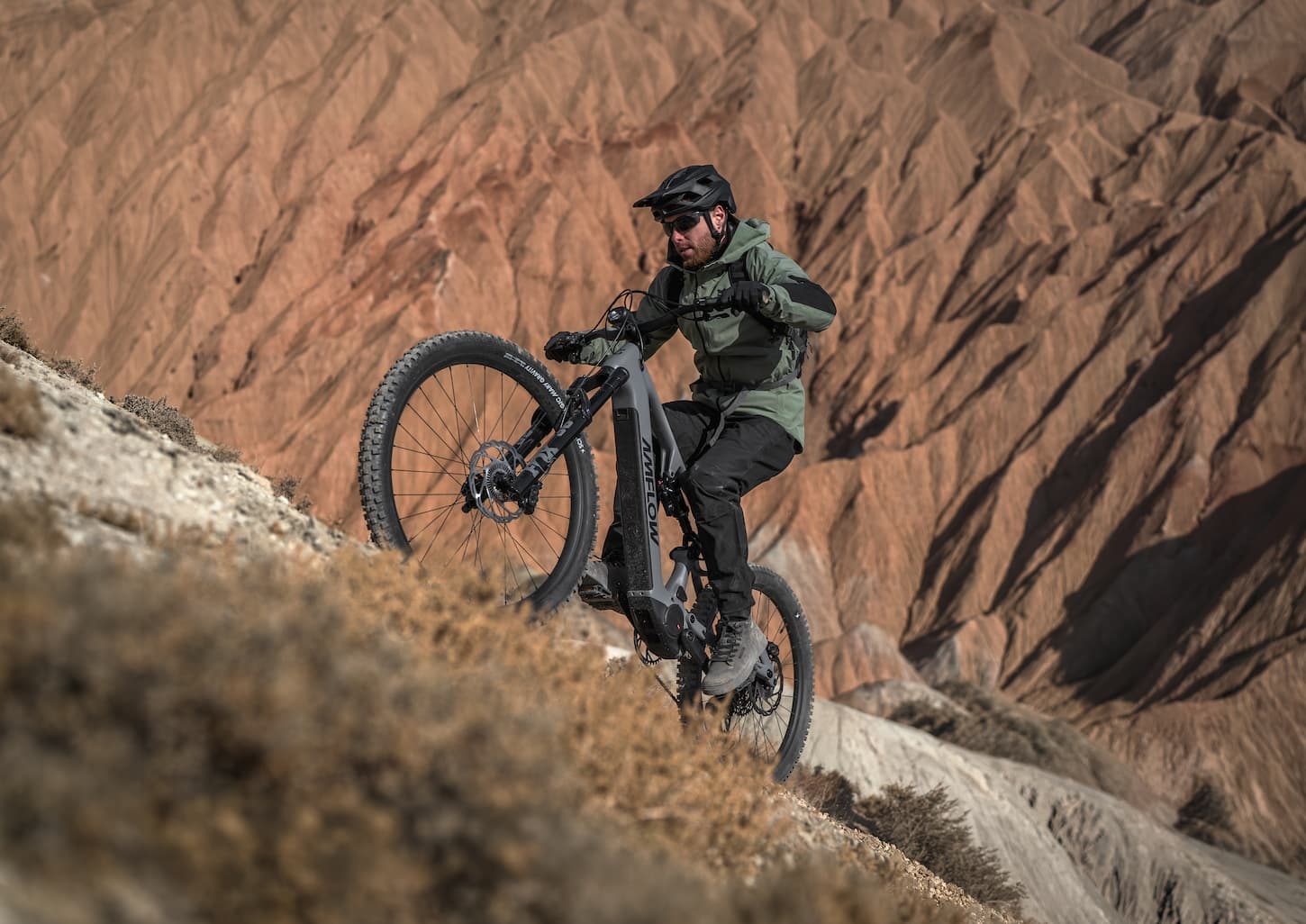
Meanwhile, American riders are finally getting access to the Amflow PR Carbon series, which had previously launched in other markets.
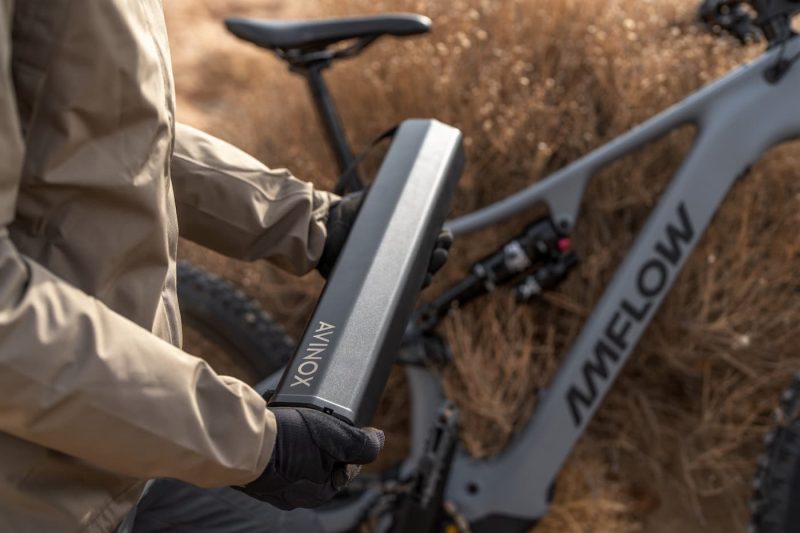
Unlike Amflow’s earlier electric mountain bikes, the PR series features a removable battery, addressing one of the biggest practical complaints about high-performance eMTBs with integrated batteries.
The new 800 Wh battery weighs just 4 kg (8.8 lb) and can be removed for convenient indoor charging or swapped for a fresh battery to extend a ride. That’s especially useful for riders who don’t have a convenient charging outlet near their bike storage area.
Amflow claims up to 158 km (98 miles) of range under ideal conditions, though that’s based on relatively gentle riding on flat pavement in Eco mode. Riders tackling technical trails with high assistance levels should expect considerably less. But any way you slice it, 800 Wh is a huge battery for eMTBs and should deliver plenty of range under most conditions.
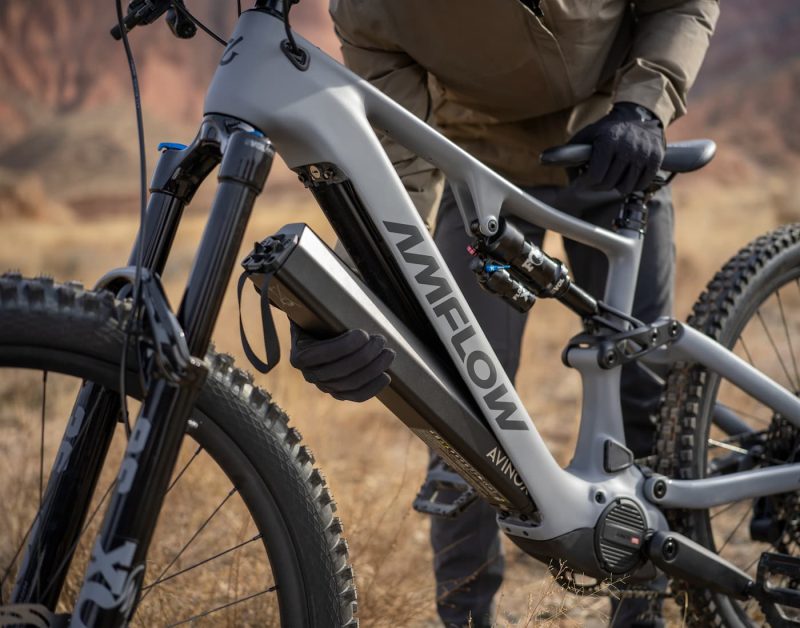
The standard PR Carbon uses the Avinox M2 motor with up to 125 Nm of torque, while the higher-end PR Carbon Pro upgrades to the more powerful Avinox M2S motor, producing up to 150 Nm of torque.
In the US, the PR Carbon starts at $4,999, while the PR Carbon Pro commands $6,799. European pricing starts at €4,499 and €5,899, respectively, based on German pricing.
All three bikes are available beginning today through Amflow’s official website and its network of authorized dealers. In the US, both models generally arrive as Class 1 e-bikes (no throttle) with a top speed of 20 mph (32 km/h), though Amflow models can typically be unlocked to Class 3 performance with a top speed of 28 mph (45 km/h).
Electrek’s Take
Amflow has been one of the more interesting brands to watch in the premium e-bike space, largely because of how aggressively it has pushed the boundaries of motor performance and bike weight.
But these latest releases show that the company is thinking beyond simply building increasingly powerful electric mountain bikes.
The TL Carbon is particularly interesting to me because it brings that impressive Avinox performance to a more practical platform. As someone who spends a minority of my riding time in the dirt, Amflow suddenly looks a lot more interesting to me, personally. Not everyone needs a dedicated eMTB, but plenty of riders would appreciate a lightweight, powerful, well-equipped electric bike that can handle both weekday commuting and weekend adventures.
And the PR Carbon’s removable battery is a welcome development, especially as the industry continues to recognize that convenience and serviceability matter just as much as outright performance.
With the Avinox ecosystem continuing to expand across more bike brands and categories, Amflow is also facing increasing competition from other manufacturers using the same impressive motors. That makes it all the more important for the brand to differentiate itself through thoughtful bike design, not just headline-grabbing power figures.


Comments
No approved comments yet. Be the first to comment.
Leave A Reply