Testing Anti-Islanding in EV Chargers, OBCs, and V2G Systems
Summary
As EV chargers and V2G systems scale up, ensuring safe grid disconnection during outages is critical. This webinar covers anti-islanding testing standards, grid simulation, and bidirectional power validation.
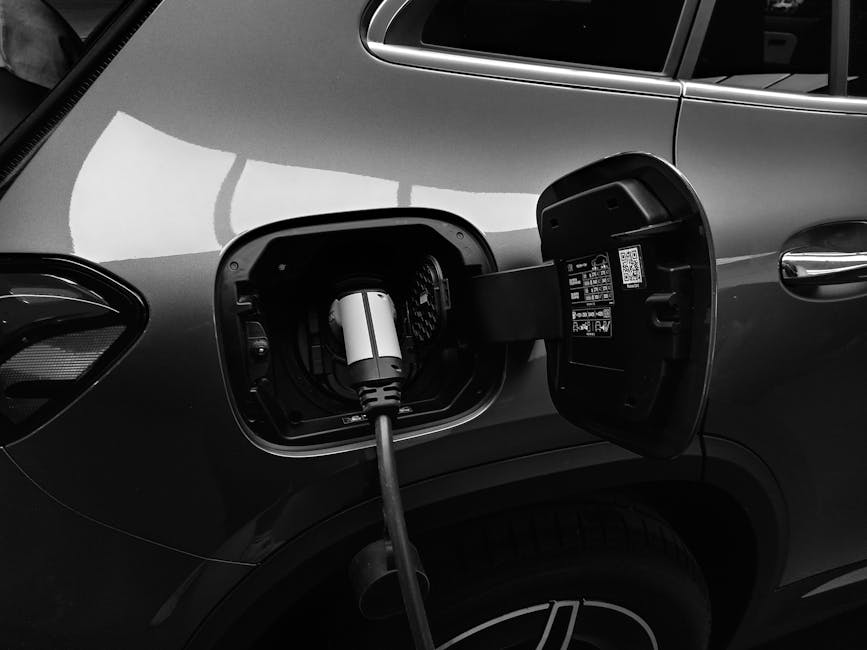
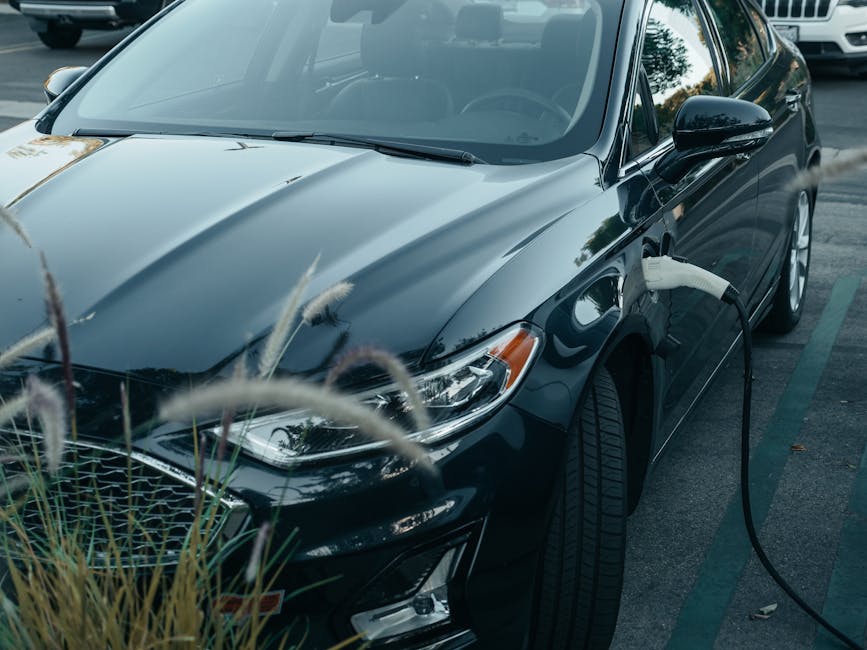
As EVSE, onboard chargers (OBCs) and vehicle-to-grid (V2G) systems move from pilot programs to mainstream deployment, the AC grid interface has become the hardest part to get right—and the easiest to get wrong. Utilities, regulators, and OEMs now expect these systems to behave predictably under real grid conditions, and to disconnect safely when the grid itself becomes unstable.
Join us as we focus on the AC power side of EV charging test and validation: how to verify grid compliance, power quality, and disturbance immunity for Level 1/2/3 chargers and OBCs, and how bidirectional AC power flow changes the testing picture for V2G. We’ll pay particular attention to anti-islanding—why it matters for any grid-tied charging or V2G system, how it’s tested under standards like IEEE 1547 and UL 1741, and where teams commonly run into trouble validating it.
Key Takeaways:
- How renting grid simulation and load equipment through ATEC can shorten time-to-test and reduce capital costs
- Why anti-islanding protection is critical for grid-tied EVSE and V2G systems — and how it’s tested
- How regenerative grid simulation enables realistic emulation of voltage sags, frequency shifts, and outage conditions
- What changes when testing bidirectional (V2G) AC power flow versus unidirectional charging
- Navigating overlapping global grid-compliance standards (IEEE 1547, UL 1741, etc.) without duplicating test effort
Sep 17, 2026, 11:45 am EDT
Register now—it’s free!
See the complete session list for the Virtual Conference on EV Engineering here.
Broadcast live from September 14 to 17, 2026, the conference content will encompass the entire EV engineering supply chain and ecosystem, including motor and power electronics design and manufacturing, cell development, battery systems, testing, powertrains, thermal management, circuit protection, wire and cable, EMI/EMC and more.



Comments
No approved comments yet. Be the first to comment.
Leave A Reply