Electric Vehicle Council Marks 10 Years of EV Progress in Australia With New Report
Summary
The Electric Vehicle Council's new 144-page report celebrates a decade of electric vehicle uptake in Australia, noting that a new EV is now sold every 100 seconds and public charging has kept pace with demand. It also warns of fragility from policy threats to efficiency standards and the fringe benefits tax exemption, with only 612,000 BEVs on the road toward a 5 million target by 2035.
The Electric Vehicle Council has been tracking the progress of electric vehicle uptake in Australia over the last ten years. Their latest report is a celebration of achievements. It is 144 pages long, and you can read the entire report here. I will just be hitting the highlights and providing some comments along the way.
In a demonstration of how fast the EV transition is moving in Australia, the EVC report projections to the end of the year are already hopelessly out of date, with a surge over the last three months looking set to continue through to the end of the year. Nevertheless, the report makes encouraging reading.
Both BEV and PHEV sales have doubled comparing H1 2025 with H2 2026. A new EV is sold in Australia every 100 seconds as Australians seek to cut costs and gain energy security. The ratio of BEV to PHEV sits at 2:1, similar to many other countries. The report warns of a possible “fragility” in Australia’s EV sales due to increasing demand for public charging and the possible introduction of a road user charge.

The report says that so far installation of public charging has kept up with demand. This is due to the fact that most Australians charge at home. There are 4268 AC and DC public charging locations available, an increase of 18% year on year and 11,600 public AC and DC connectors, a 31% increase year on year.
Political threats might also derail the electric train of progress. Australia’s right wing political parties are threatening to remove the New Vehicle Efficiency Standards and the Fringe Benefit Tax exemption should they gain power. The battle is not yet won. Intense lobbying by vested interests in the auto industry (FCAI) has led to significant misrepresentation in the media. The FUD is ever with us.

The report notes that the FBT exemption has been reviewed and extended to 2029. This may be long enough for EVs to enter the second-hand market where most Australians buy their cars. Australia has set a target of 5 million BEVs on the road by 2035 — “uptake must keep accelerating” if the country is to achieve this target. At the time of this report’s publication, there were 612,000 BEVs on Australian roads.
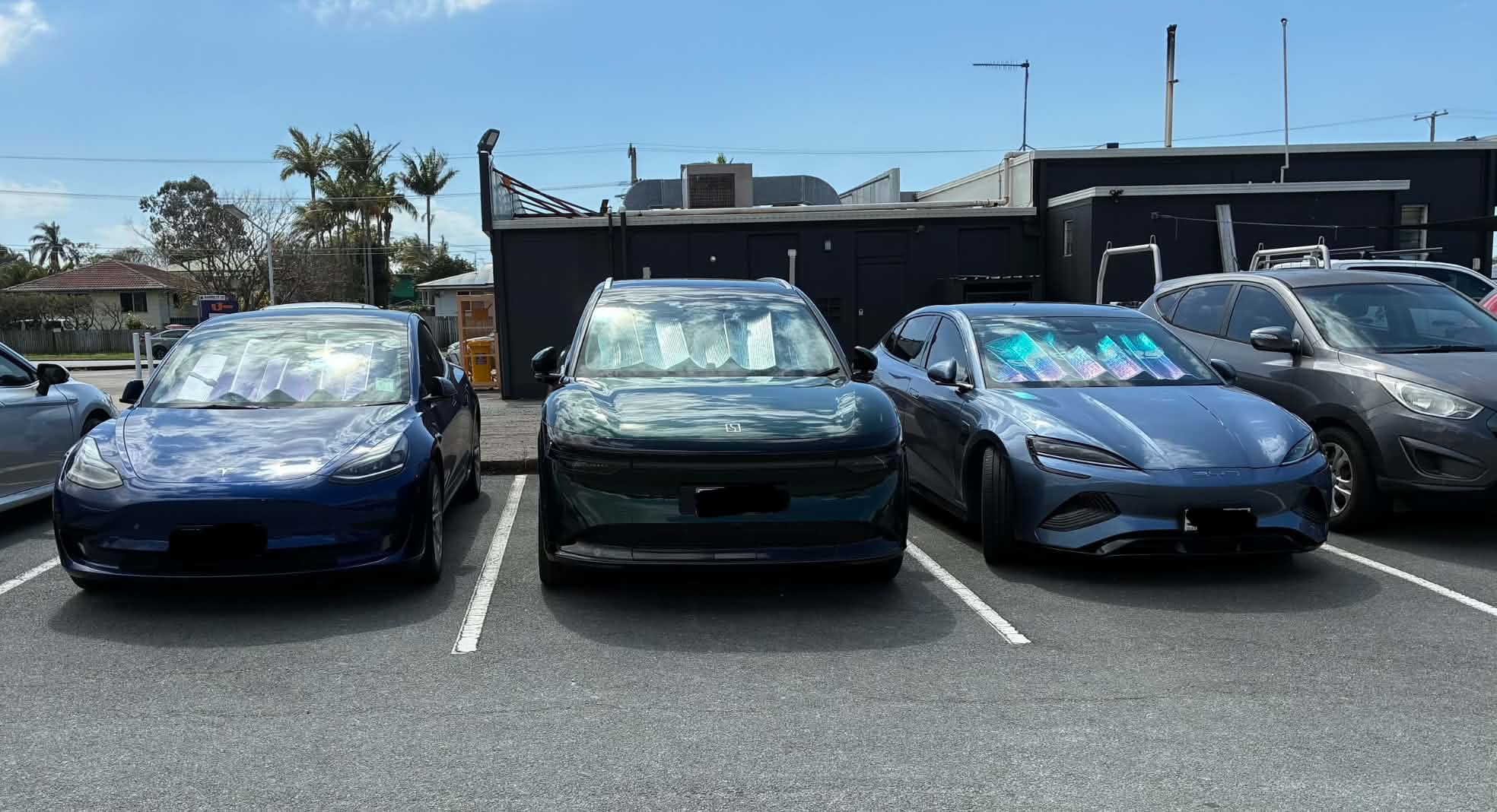
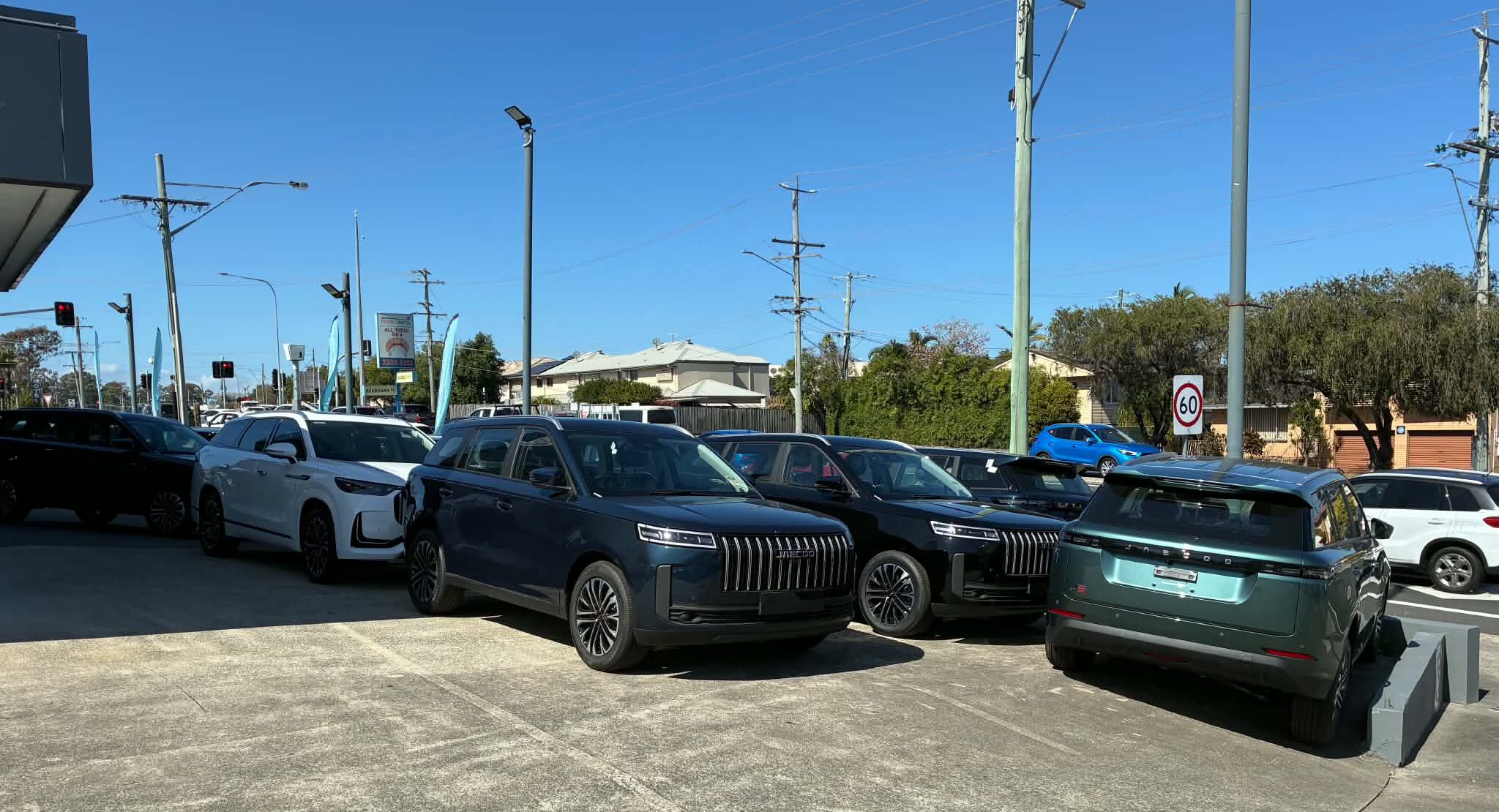
The top 5 best-selling plugin EVs in the Australian market over the past 12 months have been: Tesla Model Y (20,400), BYD Sealion 7 (12,500), BYD Shark 6 PHEV (9,500), Geely EX 5 (6,800), and Jaecoo J5 (6,000). I don’t expect this to change as we rush towards the end of the year. CleanTechnica readers would have been familiar with this lineup from regular reports. For the latest one, see here.
A comparison with CleanTechnica’s figures and those of the EVC will demonstrate how rapidly sales are increasing. YTD figures of each model listed in the CleanTechnica report are almost double that in the EVC report.
There is quite the disparity between the takeup of vehicle classes, with buses leading the way. Thirty two percent of new buses sold in H1 2026 were battery electric, compared to passenger vehicles 26%, vans and trucks a miserable 1%. I am very surprised at this, as small business and its need for last-mile delivery would benefit from reducing their costs for transport. According to the report, there are 16 different vans and 30 trucks to choose from. Julie Delvecchio, the CEO of EVC, calls this “the single biggest unclaimed opportunity left.” Perhaps Australia needs some low-emissions zones in our cities? Sydney, Melbourne, and Brisbane would certainly benefit from this measure.
Utes make up a sizeable portion of the Australian market. At the moment, there are only 5 plugin utes available (mainly plugin hybrids like the BYD Shark 6). When this part of the market shifts to battery electric, I expect the game will be over for diesel.

The EVC supports a federal (as opposed to state by state) road user charge, which is appropriate and enables the benefits of EVs to be shared with all Australians. In other words, “a fair go.” As an EV driver, I am not opposed to an RUC in principle.
A series of videos about EV charging to educate and build confidence for the public have been produced by the EVC — you can get a taste here.
So far in 2026, ANCAP (Australasian New Car Assessment Program) has declared that 6 out 7 of the safest cars in Australia are EVs. Despite the squealing of legacy automakers about the NVES (New Vehicle Efficiency Standards), carmakers are easily meeting their emissions reduction targets. There is now serious consideration of EVs as a part of Australia’s energy system (V2G). We are moving beyond the early adopter phase and into the early majority — how soon we start the steep ascent up the “S” curve remains to be seen. Sales will certainly be helped by reduced prices of EVs. The BYD Atto 1 (aka Dolphin Mini, Seagull) is now the cheapest car of any drivetrain — less than AU$20,000.
The EVC report tells us that the same is now happening in the van segment. Electric vans are quickly approaching price parity with diesel. Again, events have overtaken the EVC report — three new vans have just launched with prices below AU$50,000, undercutting brands from Korea and Europe. This looks like the beginning of a price war in this sector. The absolute price leader is the LDV eDeliver 5 from SAIC. Then comes the Geely Farizon V7E. The best legacy automakers can offer is the Ford Transit City. The specs are very similar.
Comparing the eDeliver 5 to similar diesel configurations, it appears that the only advantage for diesel is double the range. For city runs, the electric vehicle is the best option. With fuel insecurity, increased prices at the pump, and lower maintenance, I expect there to be a surge in this sector. Year to date up till August, 46 eDeliver 5’s and 83 Farizon V7E have been sold.
Ten years have gone by since the first EVC report (I have been driving electric for 7 of those). Sometimes it feels like it has gone quickly, and sometimes too slowly for those participating in the rEVolution. The first EVC report cited an AEMO (Australian Energy Market Operator) prediction that 25% of new vehicles bought by Australians would be battery electric by 2035. We have already achieved that, 10 years early! To quote Chau Le, chair of the EVC, “If this is the transformation over the last 10 years, then the next decade will be nothing short of electrifying.”
Hear, hear, say I.


Comments
No approved comments yet. Be the first to comment.
Leave A Reply