Could Electric Motorcycles Make Riding Safer by Changing Who Rides and How?
Summary
Motorcycles remain far more dangerous per mile than cars, with 6,228 US rider deaths in 2024, but risk varies sharply by bike type and rider behavior. Smaller electric motorcycles could shift the market away from high-powered supersports, potentially reducing fatalities without electricity itself being inherently safer.
There’s no particularly comfortable way to talk about motorcycle safety. Motorcycles are dangerous. All the statistics point to the fact that per mile, motorcycles are significantly more dangerous. And as someone who promotes them as a better alternative to large cars and trucks for many trips, it’s an uncomfortable reality that must be grappled with.
But that simple statement also hides something important. Not all motorcycles, riders, or riding behaviors carry the same risk. And as a new generation of smaller electric motorcycles begins to emerge, I think there’s an interesting question worth asking: Could electric motorcycles inadvertently make motorcycling safer?
Not because electricity is somehow safer than gasoline. It isn’t. Rather, because electrification may fundamentally change the type of motorcycle that hits the road.
The motorcycle fatality statistics are ugly
In 2024, 6,228 motorcyclists were killed in the US, accounting for 16% of all traffic fatalities, according to the NHTSA.
Obviously, motorcycles have a fundamental disadvantage here. You don’t have a steel cage around you. There aren’t crumple zones separating your body from an oncoming SUV. There’s no seatbelt holding you in place or curtain airbag waiting to catch your head.
But there’s another component to motorcycle fatalities that is harder to ignore: rider behavior.
Around 35% of motorcyclist deaths in 2024 occurred in single-vehicle crashes, according to the IIHS. In other words, more than one-third of those deaths didn’t involve a rider being hit by another vehicle. At that point, whether or not a crash occurred was essentially in the hands of the rider.
Alcohol is another major factor. Among riders killed in single-vehicle crashes, the NHTSA reports that 40% were alcohol-impaired.
Then there are the bikes themselves.
Supersport motorcycles stand out for all the wrong reasons. Of the riders killed on supersports in 2024, 59% were under 30. Compare that to cruiser and standard motorcycles, where just 19% of killed riders were under 30, or touring motorcycles at only 7%.
That’s not proof that powerful motorcycles are causing those deaths, of course. There are all sorts of confounding factors, including the type of person attracted to different motorcycles and how those motorcycles tend to be ridden.
But it’s hard to ignore the broader picture.
To put it more plainly, a huge portion of motorcycle deaths are caused by riders simply going too fast, doing something wrong (like drinking or taking turns too aggressively), or because they couldn’t handle the power of an insanely high-performance crotch rocket. So while figures such as “motorcycles are 27x more deadly than cars” might be true in a broad sense, that doesn’t mean you have a 27x higher chance of death – especially not if you aren’t a 25-year-old hooligan on a second-hand liter bike.
We give inexperienced riders access to absurd performance
One of the strange things about motorcycling is just how cheaply you can buy extraordinary performance.
Someone with relatively little riding experience can buy a used supersport capable of acceleration that would have required an exotic supercar not long ago. The motorcycle may weigh around 400 lb, produce well over 100 horsepower, and be capable of speeds approaching three times a typical US highway speed limit.
And unlike cars, there isn’t much protecting you when that performance gets away from you.
That’s why I find the current evolution of electric motorcycles so interesting.
For years, electric motorcycle companies largely chased gasoline motorcycles up the performance ladder. We got incredibly fast and powerful machines from companies like Energica and LiveWire.
Those bikes proved electric motorcycles could be fast.
But I’m increasingly interested in the opposite end of the spectrum.

The next generation of electric motorcycles looks different
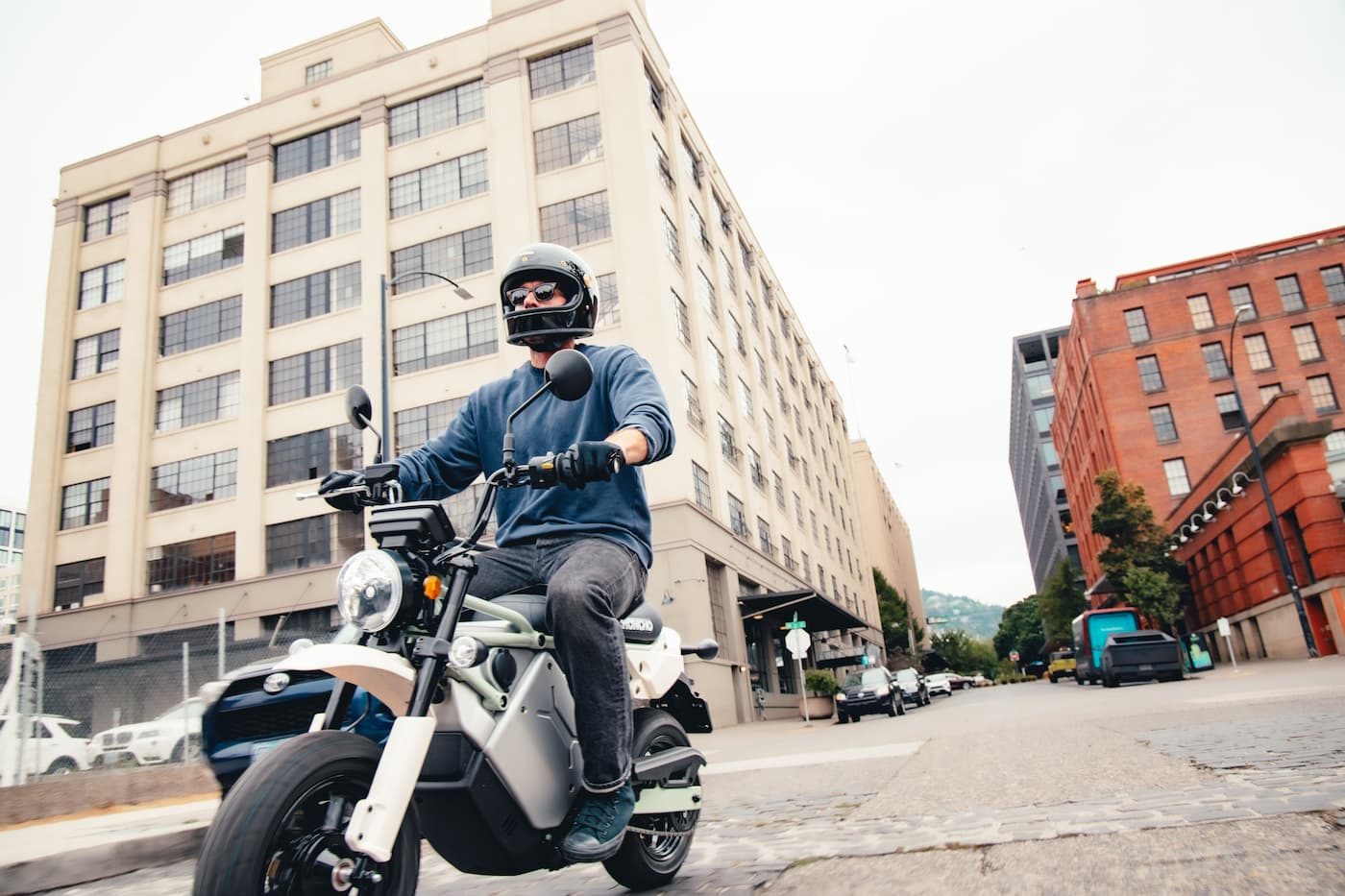
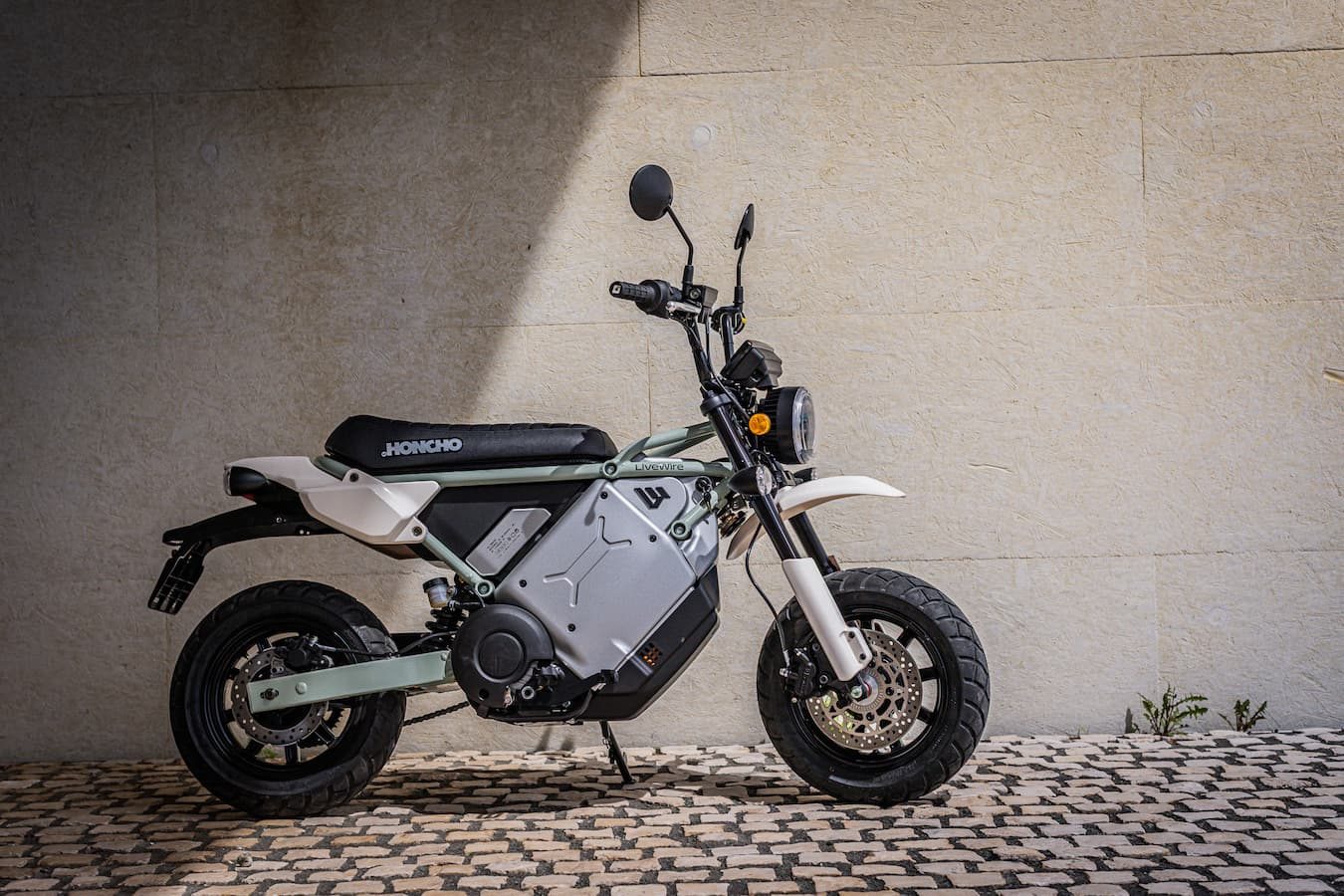
Look at motorcycles such as LiveWire’s upcoming S4 Honcho.
This isn’t an electric superbike designed around insane acceleration or a 150 mph (240 km/h) top speed. It’s a smaller motorcycle intended to offer approachable performance at a more accessible price.
It adds to a growing market already populated by highly acclaimed modest-sized electric motorcycles like those from Ryvid, Land, and Maeving.
And we’re seeing more machines begin to occupy this previously neglected territory between an e-bike and a full-size motorcycle.
That could make a huge difference when it comes to overall safety, as crotch rockets get replaced by sensible electric motorbikes.
Battery technology actually creates an interesting incentive here. Making an electric motorcycle ridiculously powerful is easy. Giving it enough battery to sustain high speeds for long distances without becoming extremely heavy and expensive is much, much harder.
So the economics and physics of batteries naturally make smaller urban and suburban motorcycles fairly compelling right now.
Instead of asking how to build another 150 mph (240 km/h) electric motorcycle, manufacturers can build a lighter machine that goes 60 or 70 mph (95-120 km/h), has enough range for everyday riding, and costs considerably less.
Ironically, one of the limitations most commonly leveled against electric motorcycles could turn out to have a safety upside.

Then there’s the e-bike generation
This is where I think things get even more interesting.
For decades, the stereotypical progression into motorcycling might have involved learning on a dirt bike or small displacement motorcycle, then moving fairly quickly into larger machines. Often though, new riders simply took a licensing course and then bought their first 600cc sport bike to learn to ride.
But now we’re raising an entirely new generation on electric two-wheelers.
Kids and teenagers are increasingly growing up riding e-bikes and small electric motos. Eventually, many of them are going to want something faster than a 20 or 28 mph e-bike.
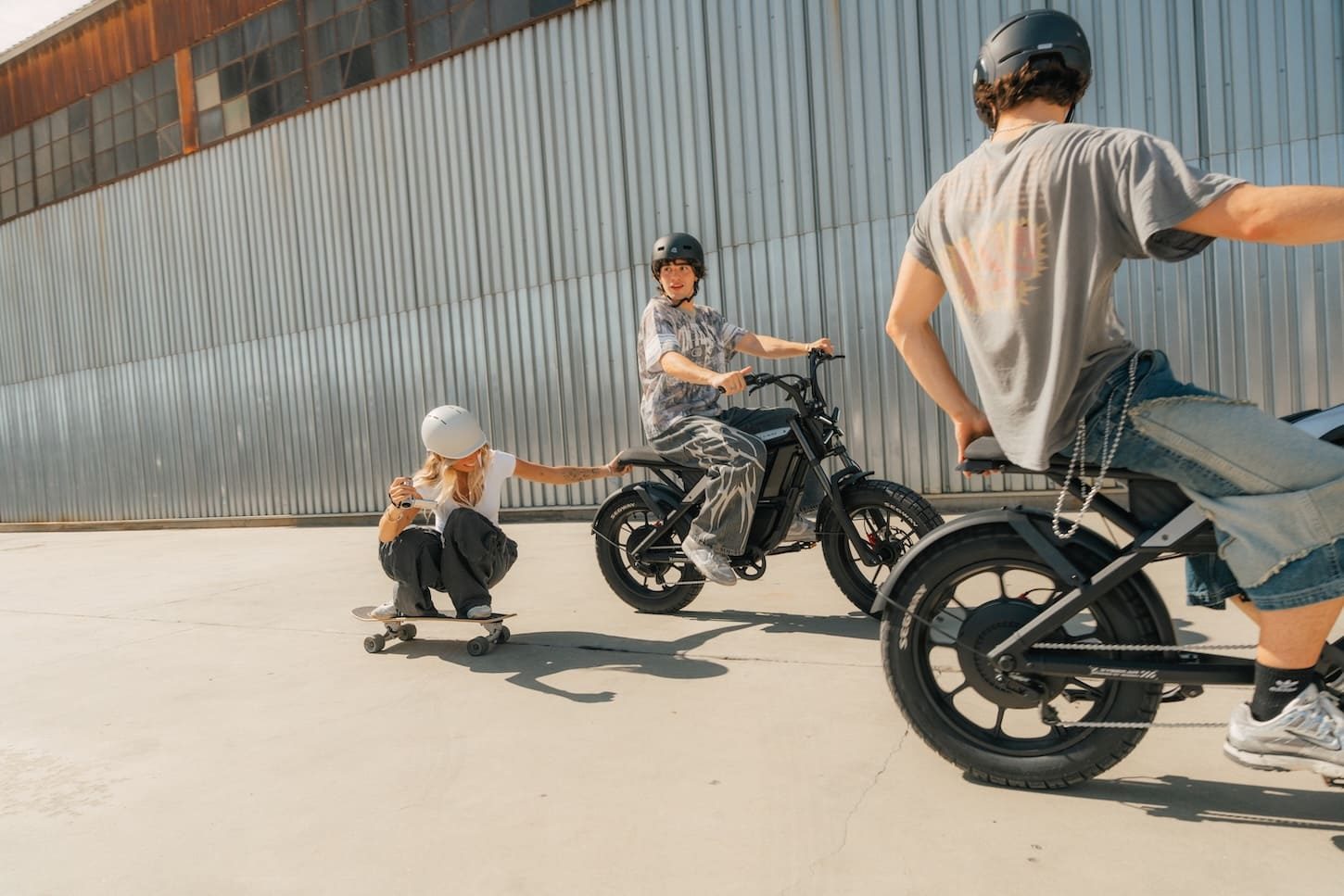
A 50 mph (80 km/h) electric motorcycle is a pretty logical next step for the e-moto kids of today. Eventually, perhaps that rider graduates to something capable of 70 or 80 mph (120-130 km/h) and comfortable highway travel.
That’s a much more gradual performance curve than jumping from essentially no powered two-wheeler experience to a screaming 600cc supersport.
There’s another advantage too: electric motorcycles are mechanically easier to operate. There’s generally no clutch, no gearbox, and no concern about stalling. Twist the throttle and go.
That doesn’t necessarily make them safer – instant electric torque can certainly get an inexperienced rider into trouble – but it does remove several tasks from the mental workload of learning to ride.
The rider can spend more attention on braking, cornering, traffic, positioning, and the thousand other things that actually keep you alive on a motorcycle. The reduction in cognitive load can mean more focus on control, if it’s used that way.

Electric doesn’t automatically mean safer
To be clear, I’m not arguing that electric motorcycles are inherently safe.
They’re still motorcycles and they still lack cages. Well, most of them.
If an inattentive driver turns left in front of you, the chemistry powering your rear wheel isn’t going to make much difference.
And electric motorcycles can be outrageously powerful. In fact, the instantaneous torque of an electric motor can make poor throttle calibration especially unforgiving for inexperienced riders.
There also simply isn’t enough data yet to demonstrate that electric motorcycles have meaningfully lower fatality rates than comparable gasoline motorcycles.
But that’s not really my argument.
My argument is that electrification may change what we consider a normal beginner motorcycle. And that could be much more important, helping to significantly reduce accidents and deaths.
I’m never going to pretend motorcycles can become as safe as cars. The physics simply don’t work that way.
But the broad statistic of “motorcycles are dangerous” encompasses an enormous spectrum of machines and riders.
A sober, trained commuter wearing proper protective gear and riding a modestly powered motorcycle to work is doing something fundamentally different from an inexperienced 21-year-old seeing how fast his supersport can take an empty freeway ramp at 2 a.m.
Yet both contribute to the same broad motorcycle fatality statistics.
What excites me about this emerging generation of electric motorcycles isn’t that swapping gasoline for batteries magically fixes motorcycle safety. It obviously doesn’t.
It’s that electrification could help create a new category of desirable, affordable motorcycles that don’t need 120 horsepower and a 160 mph top speed to be cool.
If younger riders grow up progressing from e-bikes to small e-motos and then to highway-capable electric motorcycles, perhaps we’ll wind up with a generation that sees a lightweight 60 or 70 mph motorcycle as a perfectly legitimate machine rather than merely a stepping stone to something ridiculously powerful.
Maybe electrification’s biggest contribution to motorcycle safety won’t be traction control, ABS, or sophisticated electronics.
Maybe it’ll simply make sensible motorcycles fun and cool again.


Comments
No approved comments yet. Be the first to comment.
Leave A Reply