US Q3 EV Sales Report: The Good, The Bad, And The Ugly
Summary
In the third quarter of 2026, it was the best of times and the worst of times for EV manufacturers in the US. While the rest of the world seems to be progressing nicely toward a future in which battery-powered cars are the norm, US customers are giving EVs the … [continued]
In the third quarter of 2026, it was the best of times and the worst of times for EV manufacturers in the US. While the rest of the world seems to be progressing nicely toward a future in which battery-powered cars are the norm, US customers are giving EVs the cold shoulder.
The bad news did not affect every automaker equally, however. Toyota — the perennial laggard in electric vehicles — saw a sharp uptick in its EV sales. In the first half of this year, the bZ — an updated and reconfigured version of the weirdly named bZ4X — was the fourth best selling EV in the US, behind only the Tesla Model Y and Model 3, and the Hyundai IONIQ 5. So far this year, Toyota has delivered more than 25,000 bZ battery powered SUVs.
More than 7,500 all-electric Toyota C-HR vehicles have found homes in American driveways so far this year, along with a a smattering of bZ Woodland models — a version of the bZ with a sharper off-road focus. In total, Toyota hybrids, plug-in hybrids, and battery electric cars accounted for more than 57 percent of all of Toyota’s US sales in the third quarter.
EV Sales Plummet In The US
The US Big Three automakers individually and collectively have had a down year overall and a disastrous year when it comes to selling electric cars. GM sales were off 6 percent year on year. Ford suffered a similar decline. Stellantis, by contrast, has seen its sales increase 3 percent year on year through Q3, due largely to strong sales of the RAM 1500 pickup truck. However, sales of the battery electric Jeep Wagoneer S were down by 96 percent in Q3, with just 146 units sold.
Michael Orange, head of US sales, said, “Retail sales increased for the Ram 1500 (+42 percent), Dodge Durango (+18 percent), Jeep Grand Wagoneer (+14 percent) and Chrysler Pacifica (+7 percent), while the Jeep Cherokee Hybrid posted its best retail sales month in September.”
Cadillac, which intends to be the first GM division to go all electric, is having a miserable year. In Q3, Lyriq sales were down 51 percent and Vistiq sales were off 34 percent, while sales of the Escalade IQ suffered a 29 percent decline. Optiq sales were off 7 percent. GM’s only consolation is that Ford did even worse. Mustang Mach-E sales were down 72 percent in Q3 to just 5574 units. Overall. Mach-E sales are down 59 percent for the year. Yikes!
That’s bad, but Chevrolet is really getting slapped hard by declining sales of its battery electric cars. Sales of the Equinox EV were down 92 percent in Q3 to just 1905 units, and are down 66 percent for the year. Blazer EV sales dropped by 84 percent in Q3 to 1261 units, and are down 79 percent year to date. The Silverado EV saw a 58 percent drop in Q3, and its corporate cousin, the GMC Sierra EV, also experienced a 51 percent drop.
A year ago, GM CEO Mary Barra was all in on the EV revolution, but the latest sales data has got to be causing argita in the GM boardroom. One issue that plagues the electric cars from GM is that they charge more slowly than most of the competition. At best, most of them can only handle 150 kW of charging power and then only under ideal conditions. BYD is selling cars that can reach an 80 percent state of charge in 5 minutes. GM simply has to do better.
Bolt Sales Disappoint
The fate of the second generation Chevy Bolt is disturbing. The new car is better than the original in every way, but sales have been a major disappointment. According to Car and Driver, Chevrolet originally planned to build 150,000 of the little beauties. So far this year, only 8090 of them have been sold, which may be why Reuters is reporting that Chevy may end production of the Bolt after only 35,000 get built at its factory in Kansas City.
Even Hyundai is suffering. Although sales of its conventional and hybrid cars are up significantly, sales of the Hyundai IONIQ 5 were down 53 percent in Q3 and 24 percent for the year. Sales of the IONIQ 9 decreased 47 percent in Q3. The Kia EV6 saw a 57 percent decrease in Q3 with sales off 77 percent so far in 2026. EV9 sales were off 28 percent in Q3. Genesis is also struggling. GV60 sales are down 53 percent so far this year with just 816 units sold, and the electrified GV70 is down 87 percent with just 234 units sold.
The slump in EV sales has benefited Tesla somewhat. It’s share of the EV market is up even though its US sales were down for the eighth straight month in September. US sales were down 16 percent compared to the same period last year, according to Yahoo.
Rivian
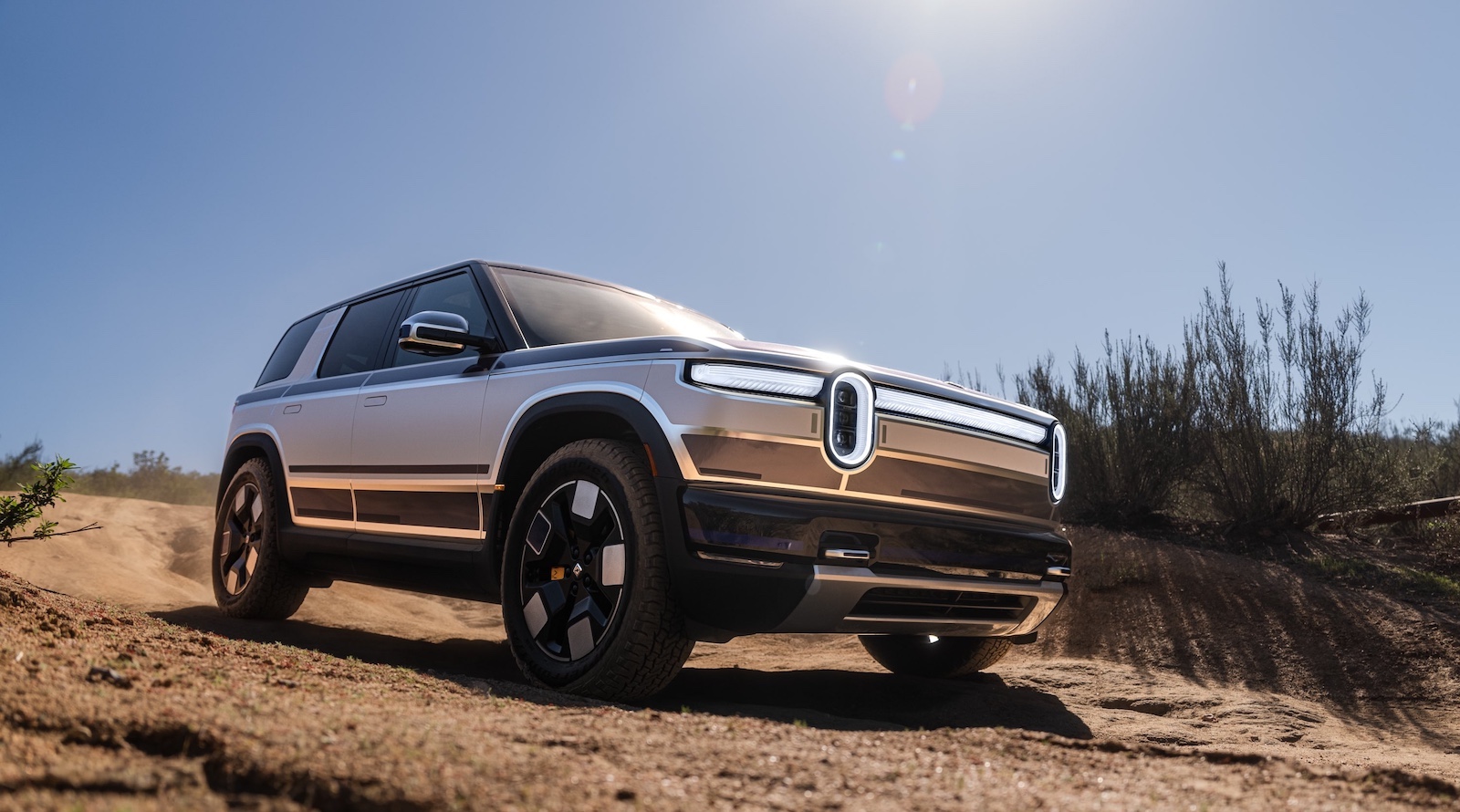
The sole bright spot in EV sales in the US is Rivian. It introduced the R2 midsize SUV earlier this year and it has been selling like hotcakes, which helped Rivian set a new sales record. In a press release on October 2, the company said it built 19,751 vehicles and delivered 19,248 in Q3 — up 45 percent from Q3 last year.
The R2 starts at just under $60,000 and the company says it expects to deliver as many as 25,000 of them before the end of this year. If so, that would make it one of the fastest selling EVs in US history and allow Rivian to establish a new annual record for sales, which have been hovering around 50,000 a year. Rivian also has plans to make less expensive models that start at around $45,000 in the future.
Changes In Attitudes
Higher prices at the pump for gasoline and diesel are sparking renewed interest in more fuel efficient cars and trucks. Hulking road warriors like the Chevy Suburban and Ford F-150 are seeing lower sales, while midsize SUVs are having a moment. We have seen this movie before, however. After the OPEC oil embargoes in the 1970s, Americans embraced smaller, more efficient cars like the Pinto and Vega, until gasoline became plentiful and cheap again. Then they happily went back to their profligate ways.
Today, it appears few manufacturers have the vehicles that customers want most. Predicting buyer preferences is fraught with danger. Billions are involved in designing and building new models, Misreading the mood of the public can lead to big losses. Stability is what all businesses crave, but that is exactly the opposite of what companies who make cars for sale in the US are getting today.



Comments
No approved comments yet. Be the first to comment.
Leave A Reply