Polestar Formula 2030 Concept Previews Next-Gen Polestar 2 and Polestar 7 EVs
Summary
Polestar has unveiled its Formula 2030 concept, showcasing design cues destined for the next-generation Polestar 2 and the upcoming Polestar 7. The concept reintroduces physical buttons and a rear window while signaling the brand's push toward profitability under its Formula 2030 strategy.
Polestar has unveiled its Formula 2030 concept, offering a first look at design features destined for the next-generation polestar-2" class="tag-link text-primary font-medium">Polestar 2 and the upcoming polestar-7" class="tag-link text-primary font-medium">Polestar 7.
Polestar, jointly owned by Volvo Cars and Geely Holding, along with their chairman, Chinese billionaire Li Shufu, unveiled the new Formula 2030 concept on Tuesday, billing it as the “physical manifestation” of the company’s wider Formula 2030 strategy, which is designed to grow the business and move towards profitability
Polestar’s press release makes liberal use of design jargon, some of it easier to picture than others. A few details will carry over to the next polestar-2" class="tag-link text-primary font-medium">Polestar 2 and polestar-7" class="tag-link text-primary font-medium">Polestar 7, though we’ll have to wait for the production cars to see how much survives.
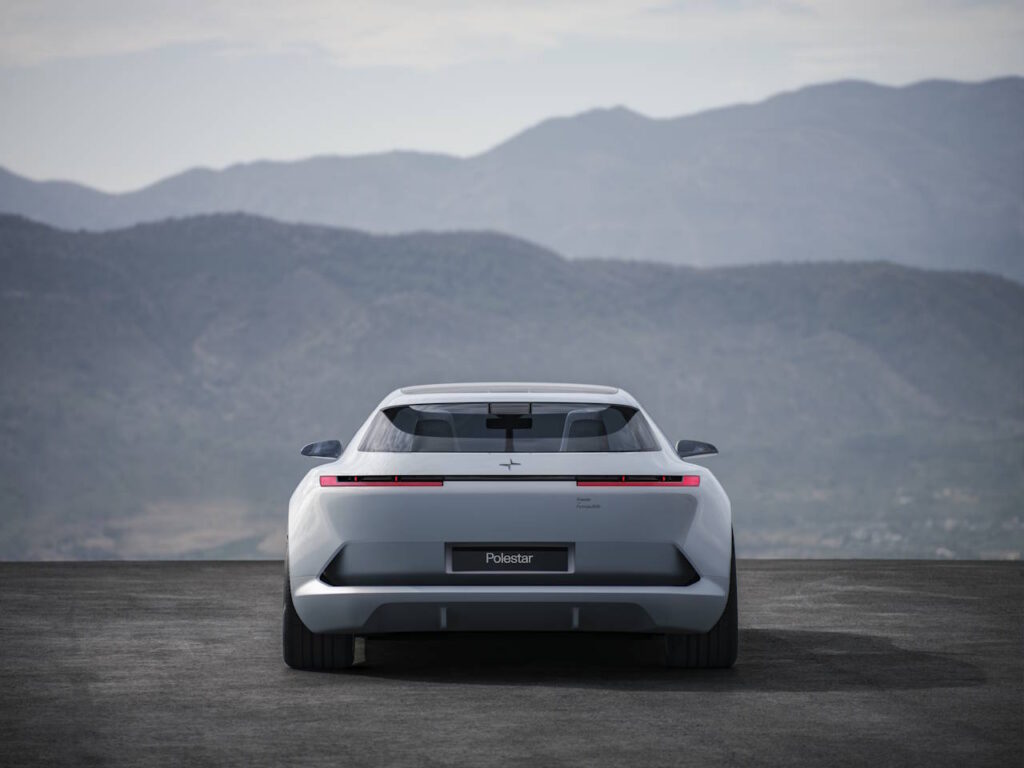
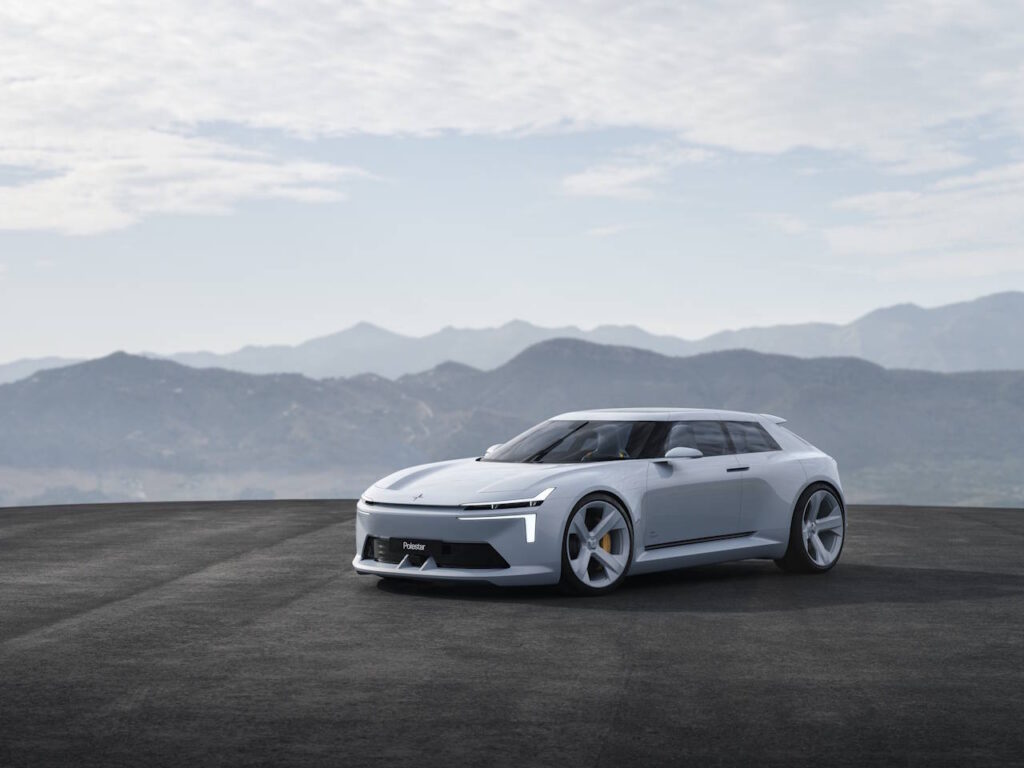
The Formula 2030 concept is 4,680 mm long, 2,021 mm wide and 1,350 mm tall, with a 2,780 mm wheelbase. In profile, the cabin sits well back and the rear haunches flare out over the wheels. From above, the body narrows through the middle before widening again at the rear, giving it what Polestar calls “coke bottle hips”.
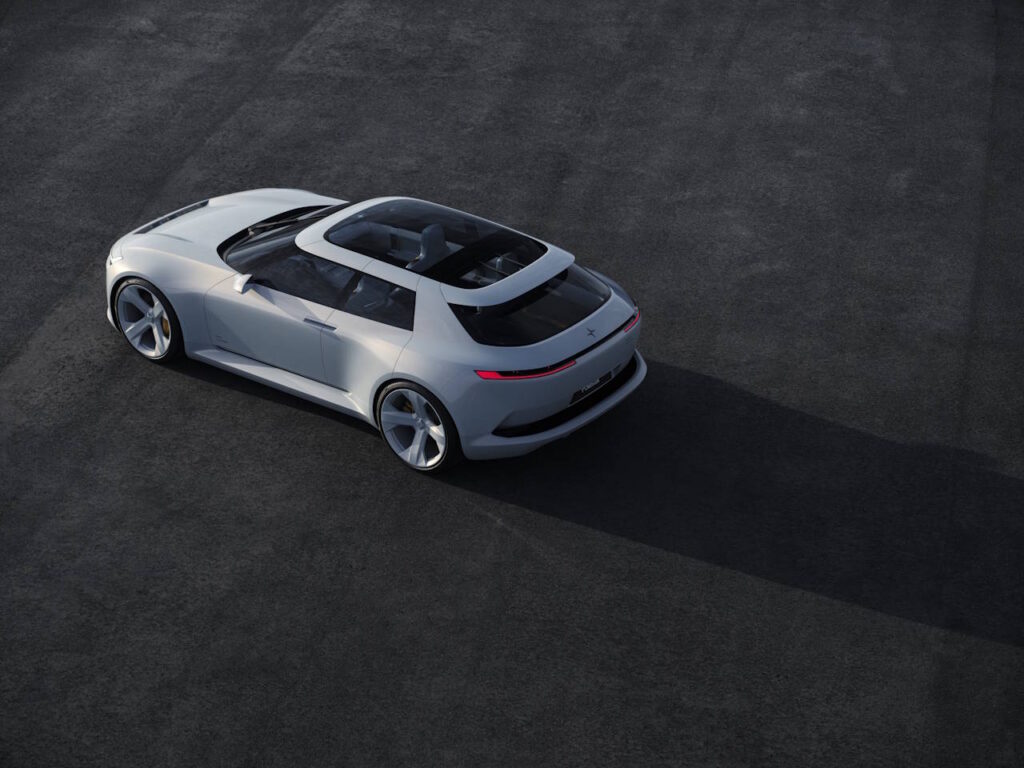
A supposedly “UFO-esque rear” is combined with “a new era of lighting signature” that removes the previous lightbar, while wraparound windscreen and rear glass are intended to pay homage to the first-generation polestar-2" class="tag-link text-primary font-medium">Polestar 2 – which at least bodes well for those who would like a rear windscreen, as distinct from a rear camera.
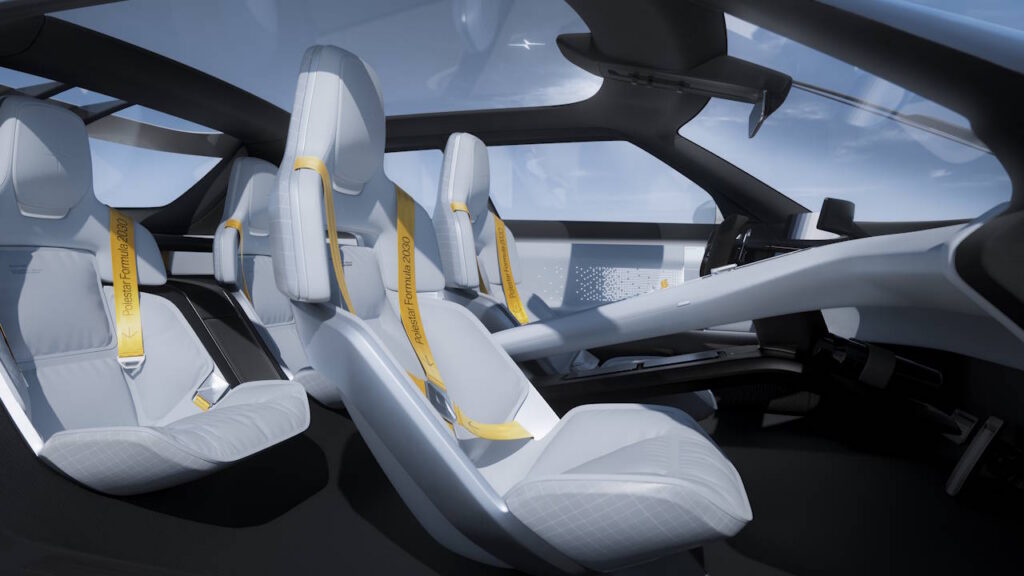
In fact, some of the interior images highlight a spacious and roomy interior, which is definitely aided by the prevalence of glass, including a panoramic glass roof.
“We wanted to evolve, while respecting, the core design values we demonstrated with previous models that define the Polestar brand in such a recognisable way,” said Nahum Escobedo, head of exterior design at Polestar.
“And with Formula 2030, with its clear Polestar design attributes like the Dual Blade headlights, wraparound visor-like windscreen and powerful haunches, we have done just that.
“But we’ve pushed perceptions, preconceptions and the expected as well, with our considered choices in form language, amplification of the performance topic and new detailing like the Single Blade rear lights.”
Inside, the Formula 2030 concept continues “its evolution and inspiration mission with a performance-focused cockpit concentrated towards the driver” – which is probably what you want from a car, rather than focusing on the passengers.
A 20-inch HyperDIM, a precisely curved Driver Information Monitor, is mounted directly to the steering column so as to ensure optimum focus for the driver, while a 12.2-inch centre screen display is integrated into a gently rising centre tunnel – again, “designed to emphasise the importance of the driver’s primary position in the vehicle.”
Apparently, along with the familiar horizontal interior band which wraps around the driver, these design attributes “point towards future Polestar interiors and provide the clearest indication of what comes next for the brand.”
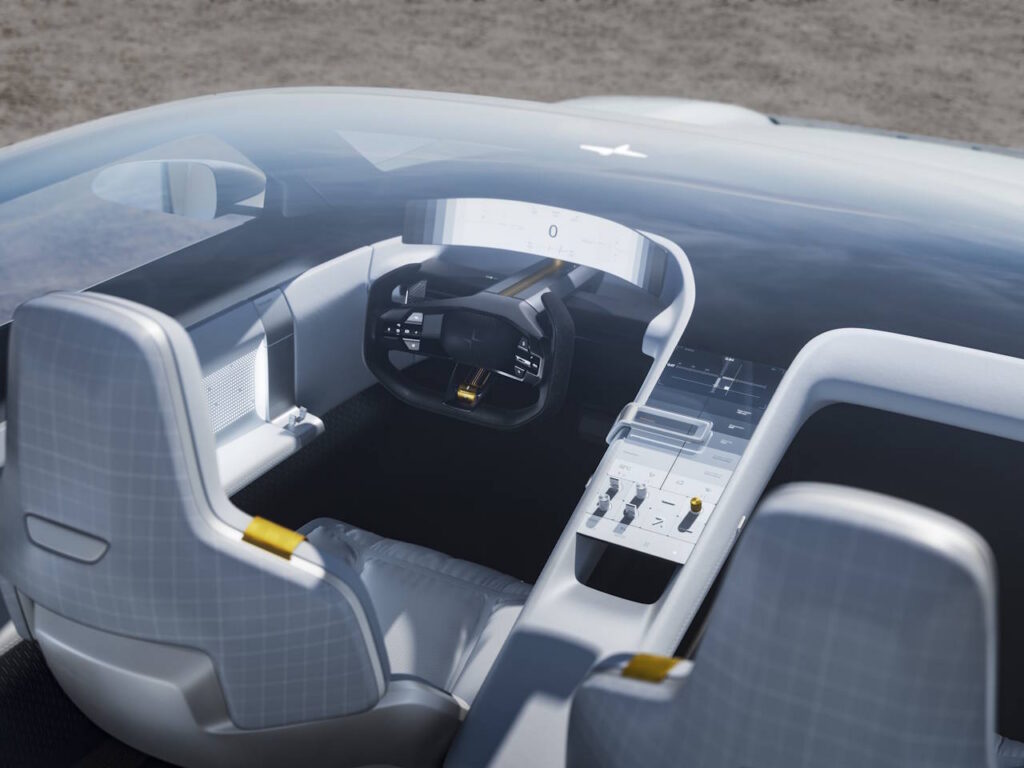
Comfort hasn’t been ignored in what is otherwise a design study, with inflatable bolsters and cushions in each of the four individual seats that mould to each occupant for optimum lateral and longitudinal support.
The ongoing trend away from digital-only controls is also reflected in the Formula 2030 concept, with Polestar “committing to rebalance the mix of physical and digital with a mechatronics solution for its controls” below the centre screen display. A total of eight controls will provide quick and easy access to the most commonly used functions in the car and will be available in a range of options including different physical controls.
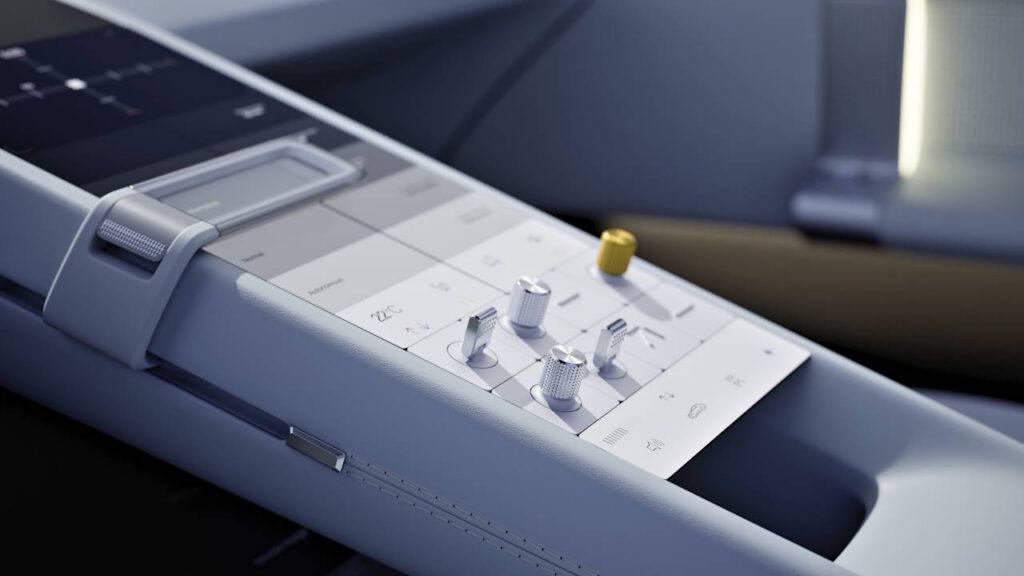
Polestar also promised three different drive modes – Performance, Normal, and Autonomous – which are selected by sliding the drive mode selector forward through the plane of the centre console. With each mode, the “physical attitude” of the centre screen display and driving position shifts.
For example, in Autonomous mode, the central screen display remains upright and “proud” of the upper instrument panel, providing clear, relevant information while the seat and steering wheel move away from each other as the vehicle takes more control.
As the driver switches between Normal mode to Performance mode, the centre screen display lowers further and eventually sits flush into the surface, while the steering wheel and HyperDIM move closer to the driver’s chest.
“With the Formula 2030 concept we’re reducing the unnecessary, distilling the experience to its very essence and enhancing the elements that truly matter to set the tonality and ambition for future Polestar interiors,” said Juan Pablo Bernal, head of interior design at Polestar.
“As a performance brand, we see a renewed focus on the driver, and so we re-balance the digital and physical. We introduce physical buttons and controls, and we believe we have achieved a tactile harmony suited for our premium positioning.”
A new exterior paint colour called Nitrogen is supposedly specific to the concept design and specifically designed to react “dynamically” to natural light. Opposing doors open for pillarless access to the car’s four seats, while a transparent boot floor reveals bespoke Polestar bags secured with Swedish Gold straps
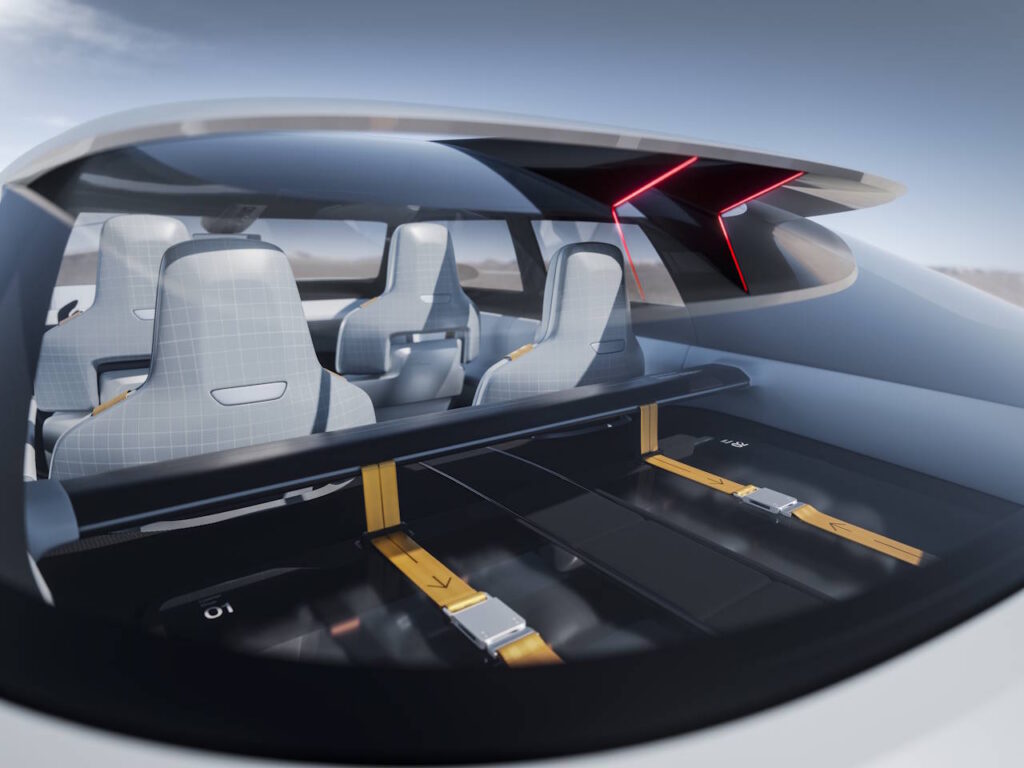
The Formula 2030 concept also integrates Polestar’s preference for sustainable materials and circularity, including fully recyclable interior materials on the door and low-emission galvanised steel used for the exposed structural interior parts such as the seat frame and cross car beam.


Comments
No approved comments yet. Be the first to comment.
Leave A Reply