Tesla Q3 2026 delivery estimates span 422,000 to 482,000 ahead of Friday report
Summary
Wall Street forecasts for Tesla's Q3 2026 deliveries range from 421,758 to 482,000, a 60,000-unit spread ahead of Friday's report. All estimates point to a year-over-year decline from the record 497,099 vehicles delivered in Q3 2025.
Wall Street can’t agree on how many cars Tesla (TSLA) sold in Q3 2026. Estimates from major banks range from 421,758 to 482,000 deliveries ahead of Friday’s report.
That’s a 60,000-unit spread. And after the Street missed Tesla’s Q2 deliveries by 74,000 units, nobody has much credibility on this one.
Where the estimates land
Tesla reports Q3 production and deliveries on Friday, October 2. It hasn’t published its own company-compiled analyst consensus yet. For Q2, that figure came out six days before the report.
Here’s where the major firms stand as of today:
- JPMorgan: 482,000 (cut from 516,000)
- Barclays: 475,000
- UBS: 470,000
- StoneX: 446,500
- Goldman Sachs: 435,000 (cut from 490,000)
- Cantor Fitzgerald: 421,758
The median of those six is about 458,000. The Visible Alpha consensus sits between 449,000 and 454,000 depending on when you check it, while Bloomberg’s consensus is at 466,000.
Prediction markets are more bullish. Kalshi contracts currently put Q3 deliveries in the low-to-mid 470,000s, down from roughly 480,000 in mid-September. UBS analyst Joseph Spak also wrote that buy-side expectations have crept up to a 460,000 to 480,000 range.
Why the estimates keep coming down
The direction over the last two weeks is one-way. Goldman cut its estimate by 55,000 units on September 16, JPMorgan cut by 34,000 units today, and Cantor just came in with the lowest number on the Street.
The analysts all point to the same thing: a weak August in Tesla’s two biggest markets. Tesla’s US sales fell 26% year-over-year to about 40,816 units in the month, and its China retail sales dropped 12.4% to 50,047 units.
None of that is new if you’ve been following along. Tesla’s China retail sales have been crashing even as exports surge, and EV sales are plunging in North America while Europe booms.
The comparison problem
Every single one of these estimates means a year-over-year decline. Tesla delivered a record 497,099 vehicles in Q3 2025, a quarter juiced by US buyers rushing to grab the $7,500 federal tax credit before it expired on September 30, 2025.
Even JPMorgan’s 482,000 would be down 3%. The median implies an 8% drop. Cantor’s number would be a 15% decline.
Sequentially, most estimates also point down from the 480,126 vehicles Tesla delivered in Q2. Only JPMorgan expects growth.
But the Street has a bad recent track record here. Tesla’s company-compiled consensus for Q2 was 406,024 deliveries. Tesla beat it by 74,000 units, and Kalshi traders landed almost exactly on the actual number.
Electrek’s Take
It is a tough one to estimate. Normally, US should be significantly down year-over-year, but the war in the Middle East is a godsend, or rather Trump-send, for Tesla.
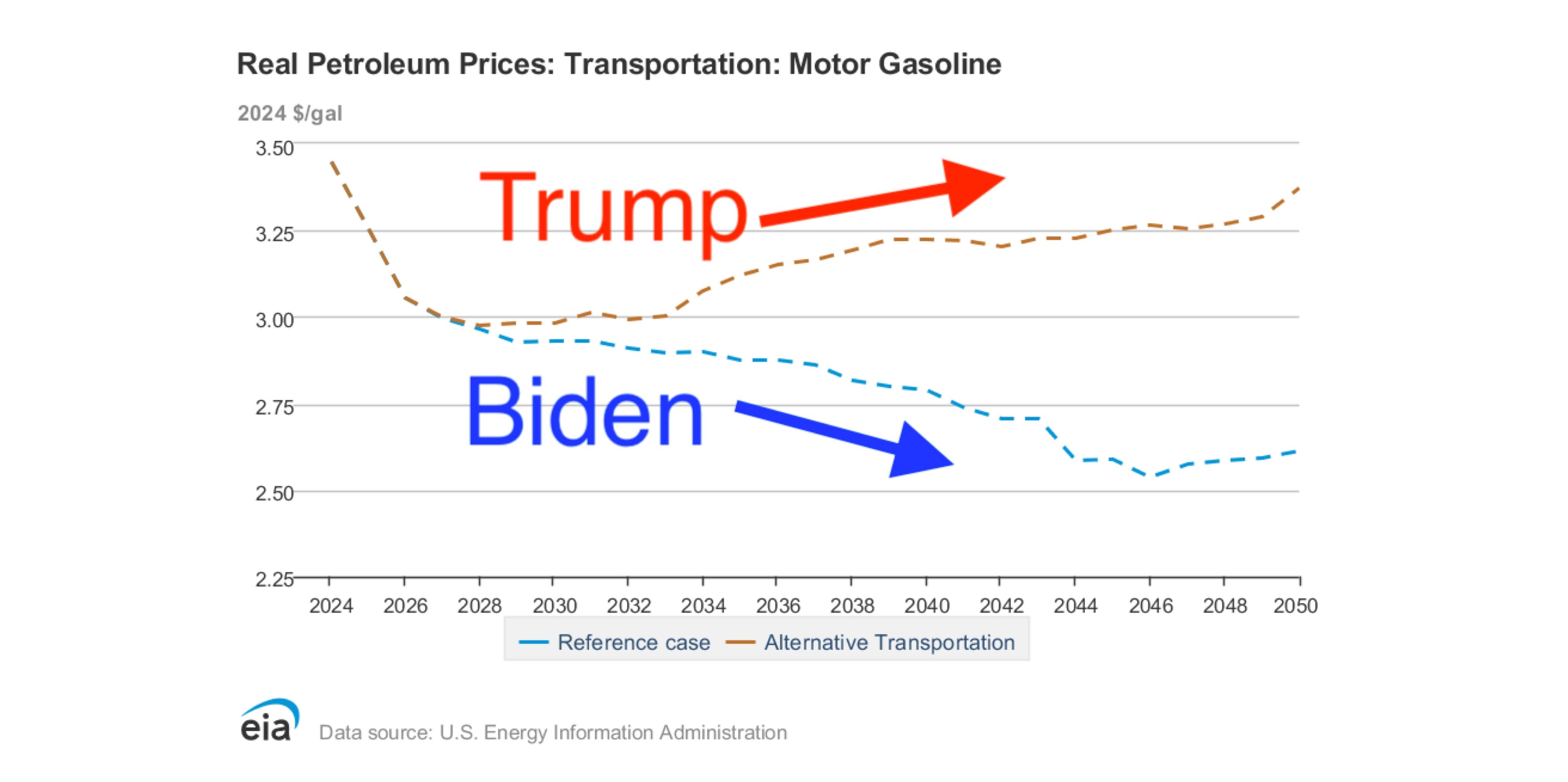
High gas prices could be almost fully compensating for the difference in demand from the end of the tax credit.
Tesla has been significantly down in China this quarter, but the last month is always the biggest, and Tesla has been offering discounts to bring demand back. A lot will depend on how successful those discounts will be.
Exports from China to other Asian, Pacific, and EU markets will help tremendously, but ultimately, I expect Tesla’s deliveries to be roughly flat to slightly down vs. Q3 last year.
Can you imagine where it would be if it wasn’t for Elon’s dumb moves to bet the house on autonomy? What if Tesla had a Model 2 (or E, or whatever) right now priced at $25,000-$30,000, in production in China, in the US, and Europe, based on the unboxed platform, which was the original plan.
Amid this gas price crisis, Tesla would be delivering almost twice as many vehicles, in my opinion.
Charge your electric vehicle at home using rooftop solar panels. Find a reliable and competitively priced solar installer near you on EnergySage, for free. They have pre-vetted installers competing for your business, ensuring high-quality solutions and 20-30% savings. With lease and PPA options, you can go solar with zero upfront cost. It’s free, with no sales calls until you choose an installer. Get started here.


Comments
No approved comments yet. Be the first to comment.
Leave A Reply