Volkswagen cuts ICE shifts as EV demand outpaces gas models in Germany
Summary
Volkswagen's new entry-level EVs are drawing more orders than its combustion models in Germany, prompting the automaker to cancel planned ICE shifts at Wolfsburg while adding capacity at EV plants. The ID. Polo has already amassed over 40,000 European orders, with some trims sold out and waitlists stretching past 10 months.
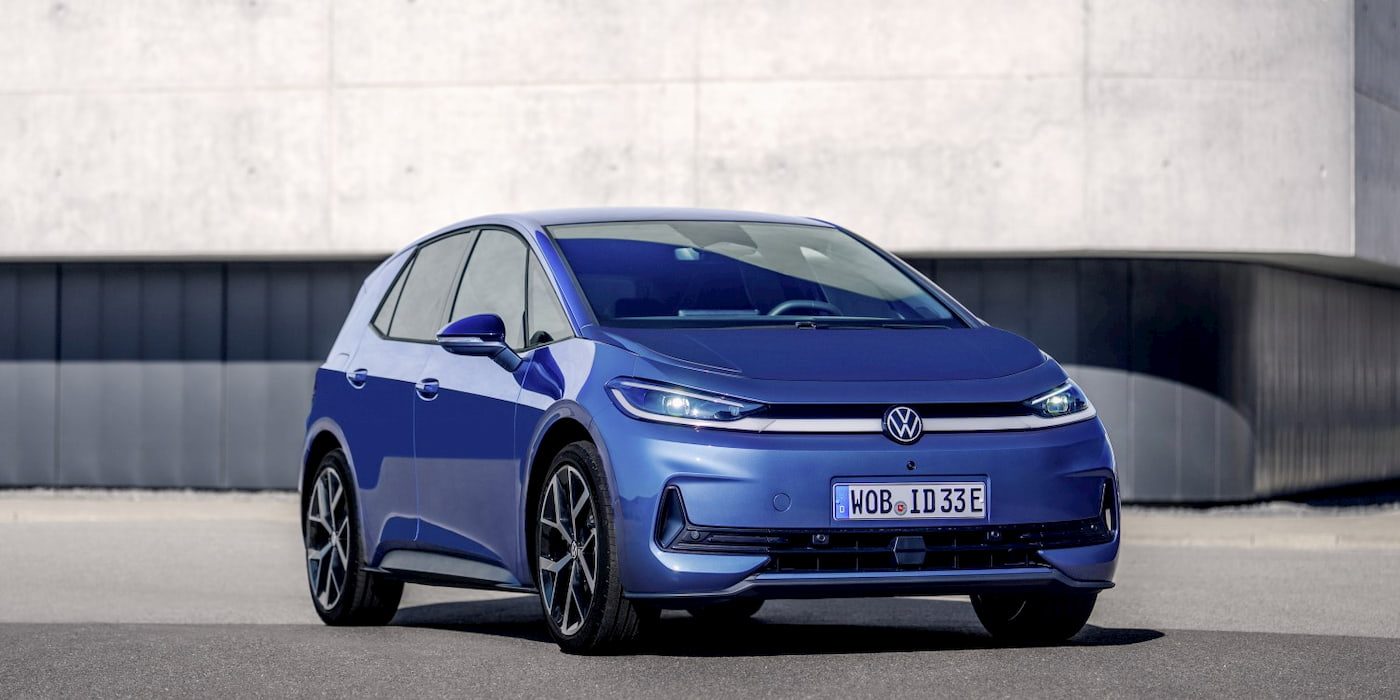
Volkswagen’s new family of entry-level electric cars is proving to be more popular than its internal combustion engine vehicles.
Volkswagen’s EV orders surpass ICE vehicles at home
Volkswagen suddenly has a new problem on its hands — demand for its new EVs has risen noticeably, while, at the same time, gas- and diesel-powered vehicles are falling out of favor across Europe and other markets.
In Germany, Volkswagen’s home market and the heart of the European auto industry, orders for pure electric cars now exceed those of internal combustion engine (ICE) vehicles.
According to German auto news outlet Automobilwoche, Volkswagen is adjusting production across several plants to meet higher-than-expected EV demand.
In a major “turning point” in the auto industry’s shift to electrification, as Martin Sander, VW’s sales director, called it, the German automaker is reallocating resources from ICE vehicles to ramp up EV production.
At the Wolfsburg plant, where the gas-powered Golf and Tiguan are built, Volkswagen is canceling the extra shifts it had planned.
Annual production at the facility is now expected to remain around 580,000 vehicles, rather than the 600,000 or more Volkswagen had previously aimed for.
As buyers choose EVs, demand for gas-powered vehicles is no longer sufficient to justify the production increase.
Volkswagen’s electric-car facilities, including Emden and Zwickau, are expected to operate at higher capacity with at least two added shifts.
The ID.3 Neo, Volkswagen’s updated electric hatch, is reportedly seeing strong demand since it went on sale in Europe in April and is expected to drive higher utilization at its Zwickau plant.
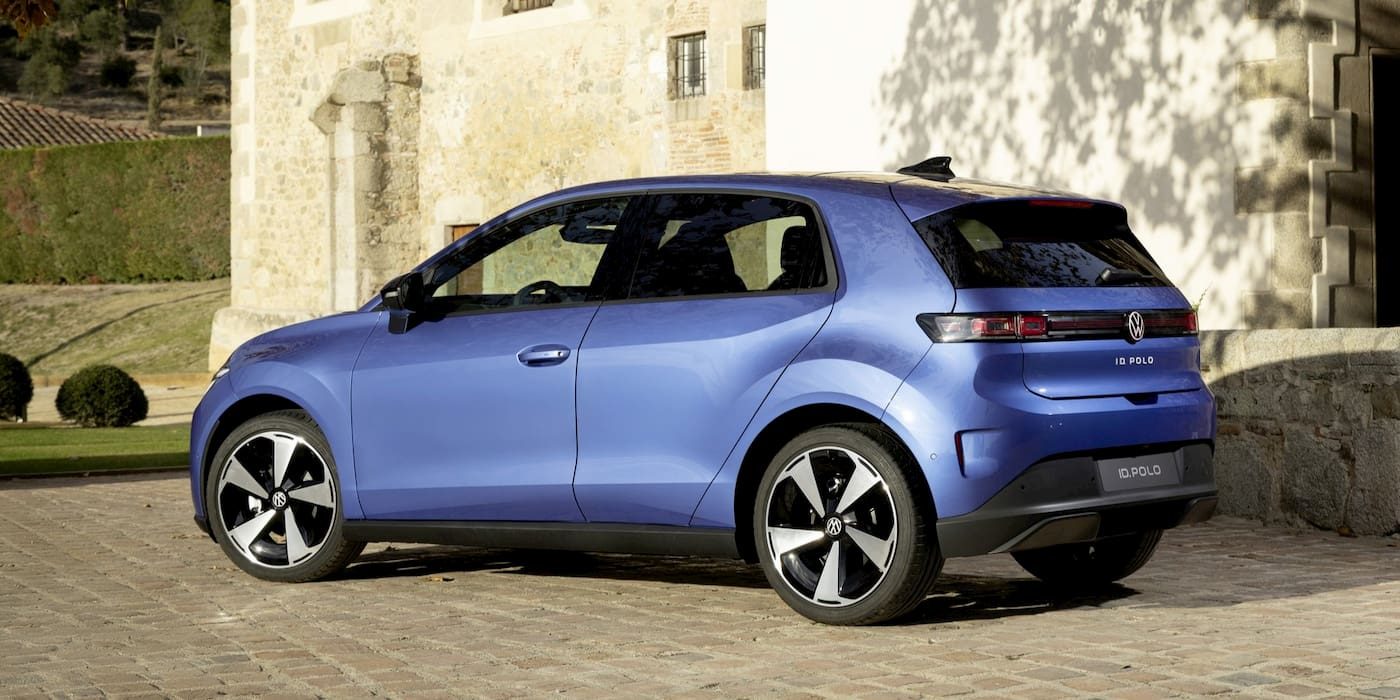
Volkswagen’s biggest hit so far is the ID. Polo, the first from its new family of entry-level electric vehicles.
The ID. Polo has now received over 40,000 orders across Europe since it launched at the end of April. A separate Automobilwoche report earlier this month claimed the ID. Polo was sold out across all trims, and buyers were facing at least a 10-month waitlist.
“Everyone is switching to electric cars they can afford,” a dealership group executive said. The VW ID. Polo Trend with the 37 kWh battery, starts at just €24,995 ($29,000) and offers a WLTP range of 334 km (207 miles).
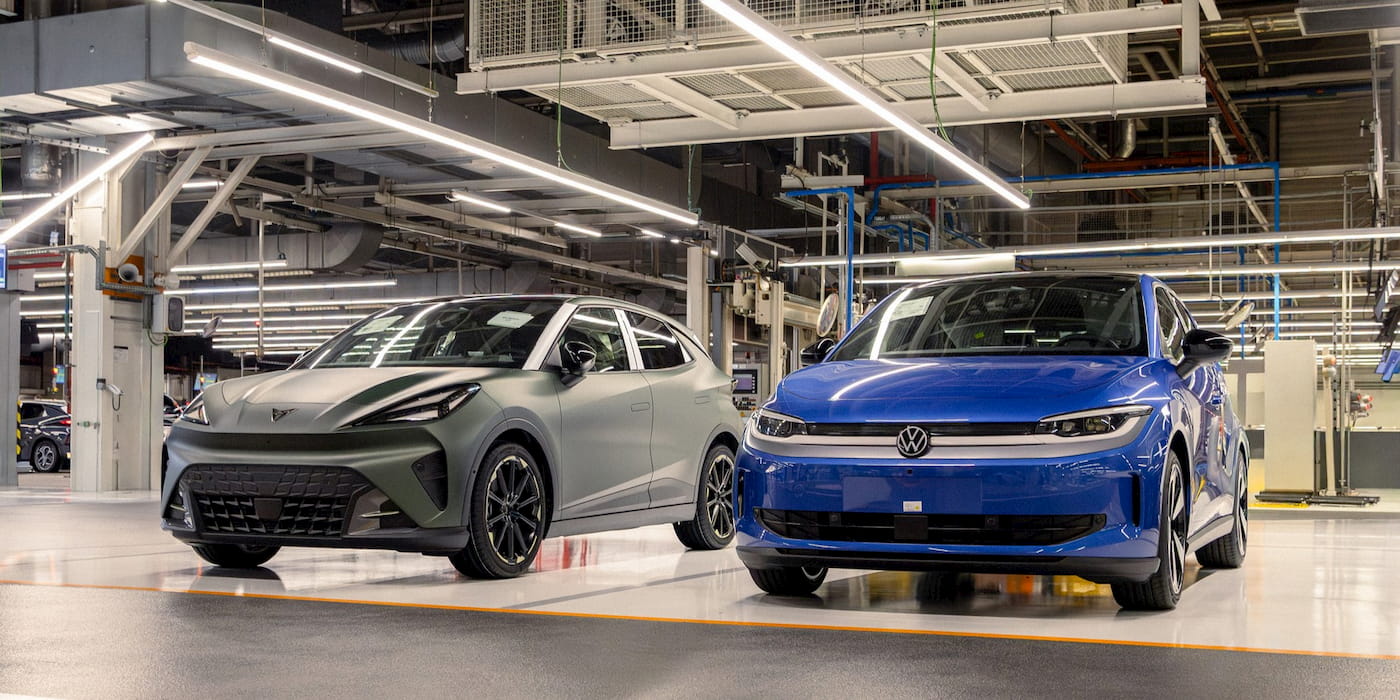
Volkswagen is ramping up production to meet higher-than-expected demand at its Martorell plant in Spain, where the ID. Polo is built.
The Skoda Epiq and Cupra Raval, which share the same underpinnings as the ID. Polo and are built at the same facility, are facing a similar situation.
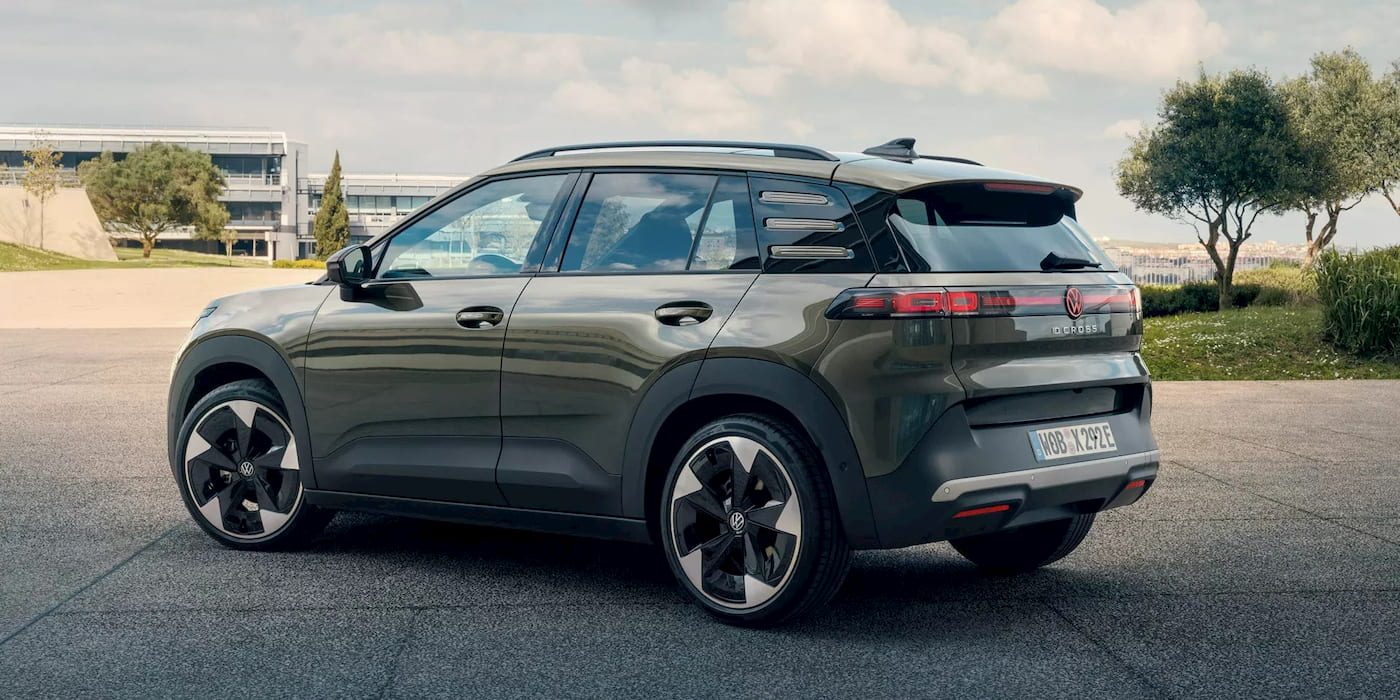
According to sources within the company, Volkswagen’s new entry-level electric SUV, the ID. Cross, is also seeing strong initial demand. VW opened orders for the ID. Cross, the electric counterpart to its best-selling T-Cross in Europe, in July, starting at €27,995 ($32,000) in Germany.
Electrek’s Take
After its first-generation electric vehicles failed to compete, Volkswagen is taking another swing at it with its latest updated models.
The ID. Polo, ID. 3 Neo, and ID. Cross are apparently off to a strong start, but Volkswagen still faces an uphill battle.
Earlier this month, VW’s supervisory board approved its Future Plan 2030, calling for even more job cuts (up to 100,000 globally), plant closures, and a smaller vehicle lineup as it aims to cut costs.
The restructuring comes as the German auto giant faces a new wave of competition from Chinese brands like BYD, which offer lower-cost and often more advanced electric vehicles.
BYD stopped building vehicles powered entirely by an internal combustion engine in 2022 to focus on electric and plug-in hybrid vehicles, and so far it has paid off.
The Chinese EV maker was the sixth-largest global auto brand in 2025. By 2030, the company’s CEO, Wang Chuanfu, said in June that “BYD will truly become the No. 1 automaker globally in terms of scale in five years,” meaning it will surpass Toyota and Volkswagen.
If Volkswagen had begun the transition earlier, focusing on EVs, it might be in a more competitive position. Instead, like most OEMs, VW was caught flat-footed while BYD and other Chinese brands took advantage.
Will the new family of entry-level EVs be enough to power VW’s comeback? Share your thoughts in the comments below.

Comments
No approved comments yet. Be the first to comment.
Leave A Reply