XPENG G9L Launches in Europe as Three-Row Flagship Electric SUV Built in Austria
Summary
XPENG unveiled the G9L at the Paris Motor Show, bringing its latest flagship technology to Europe with production in Graz, Austria and a three-row configuration tailored to European buyers. The premium electric SUV raises expectations for the class with rapid charging, long WLTP range, and adult-friendly third-row comfort.
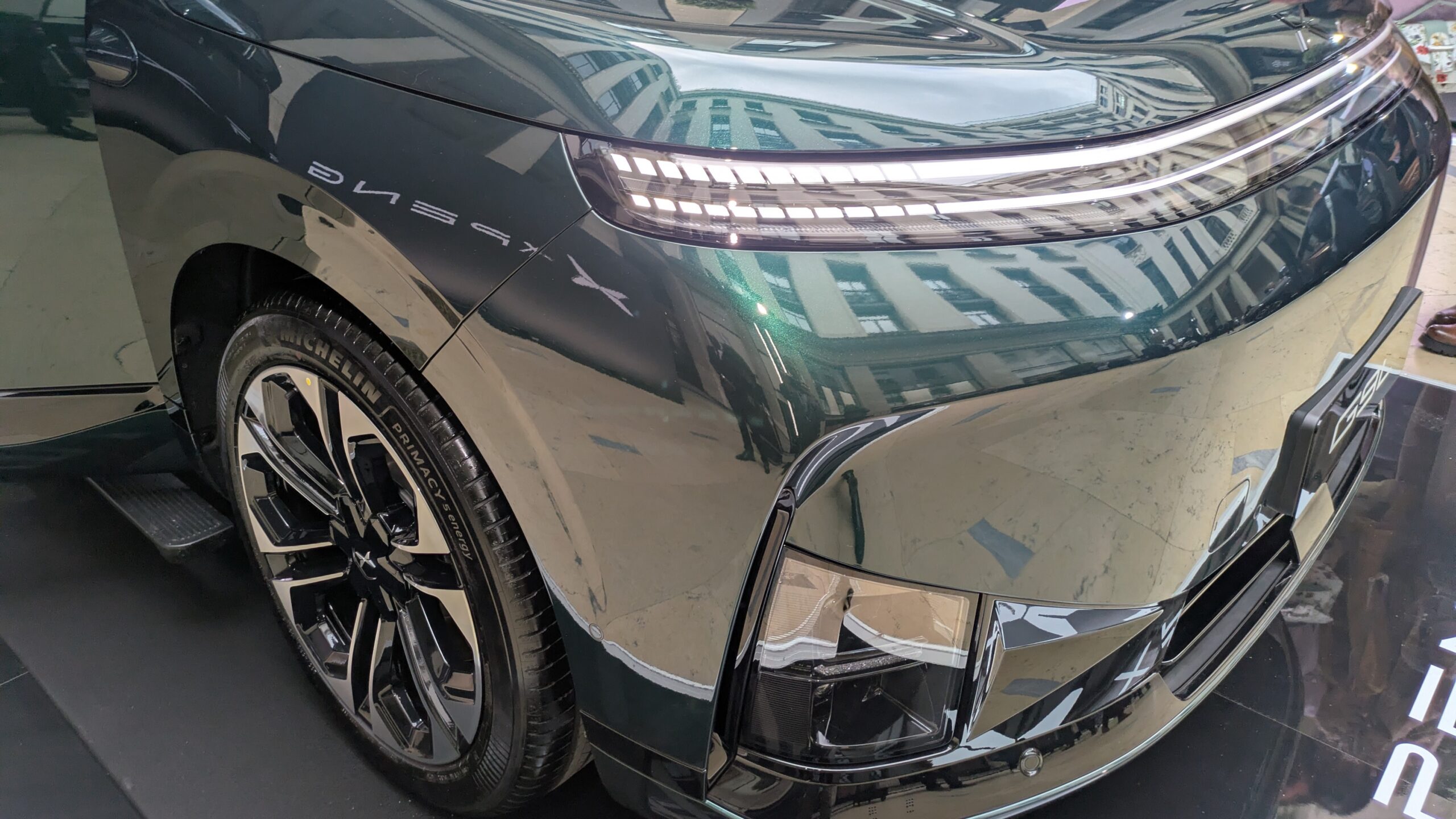
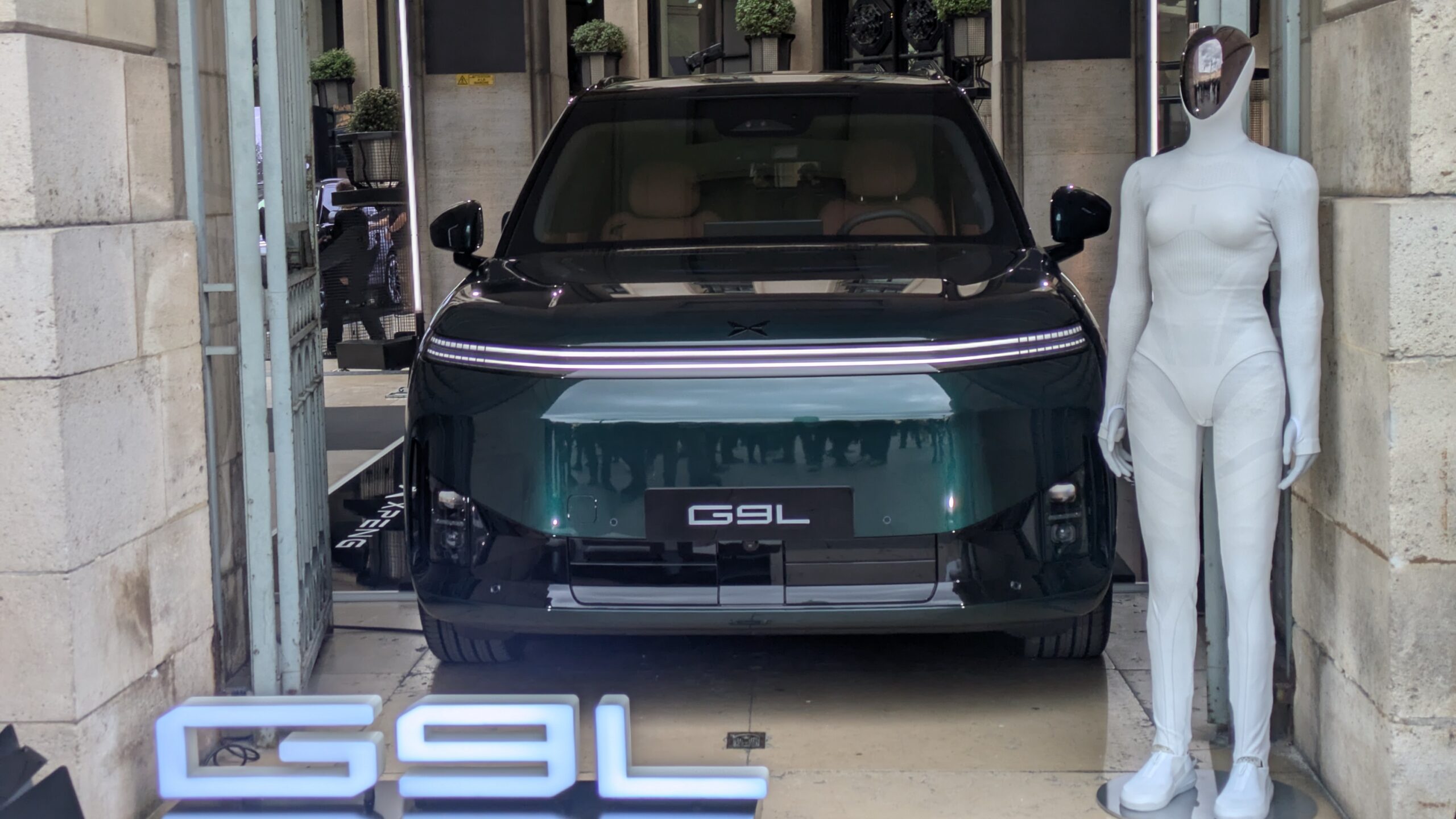
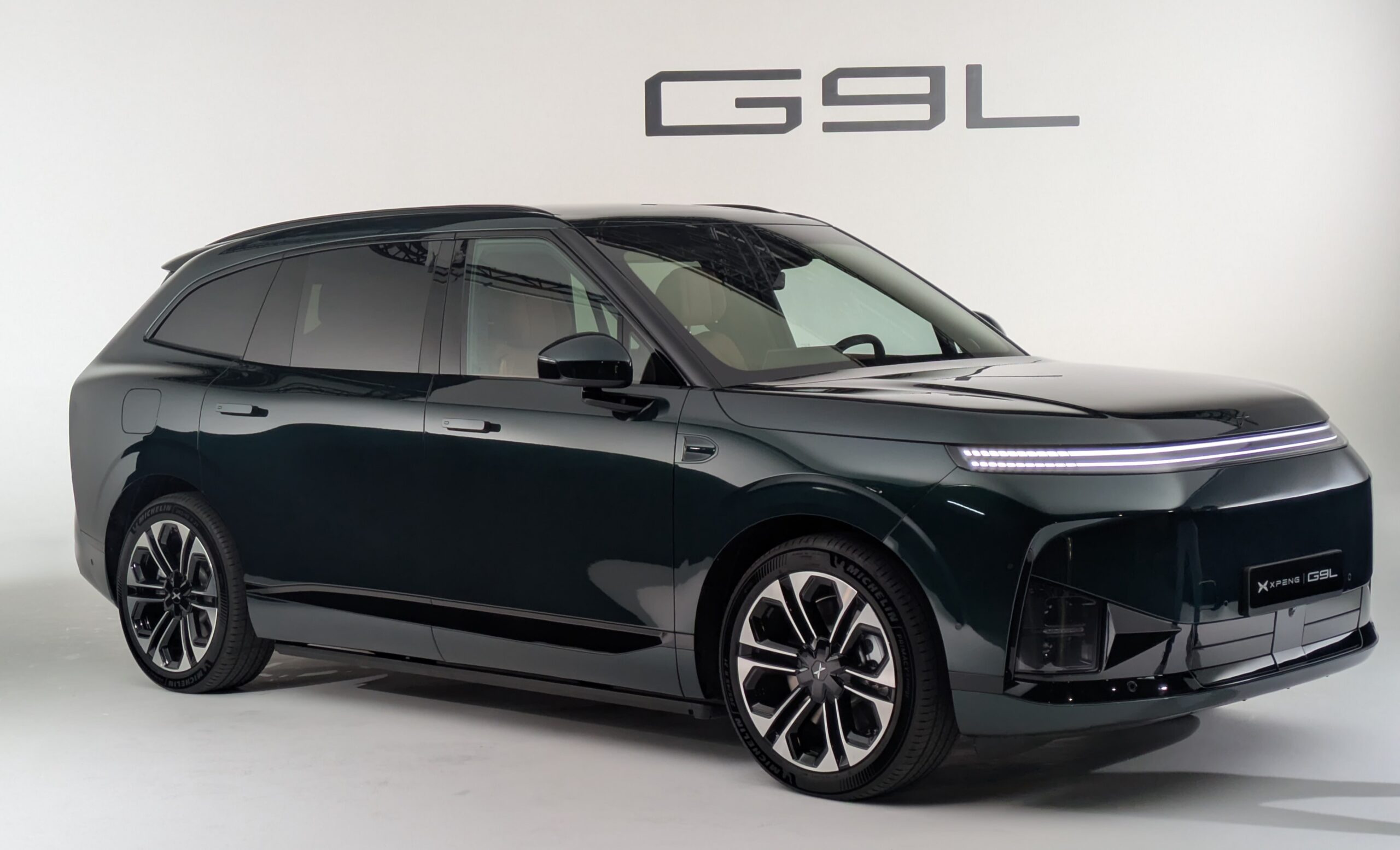
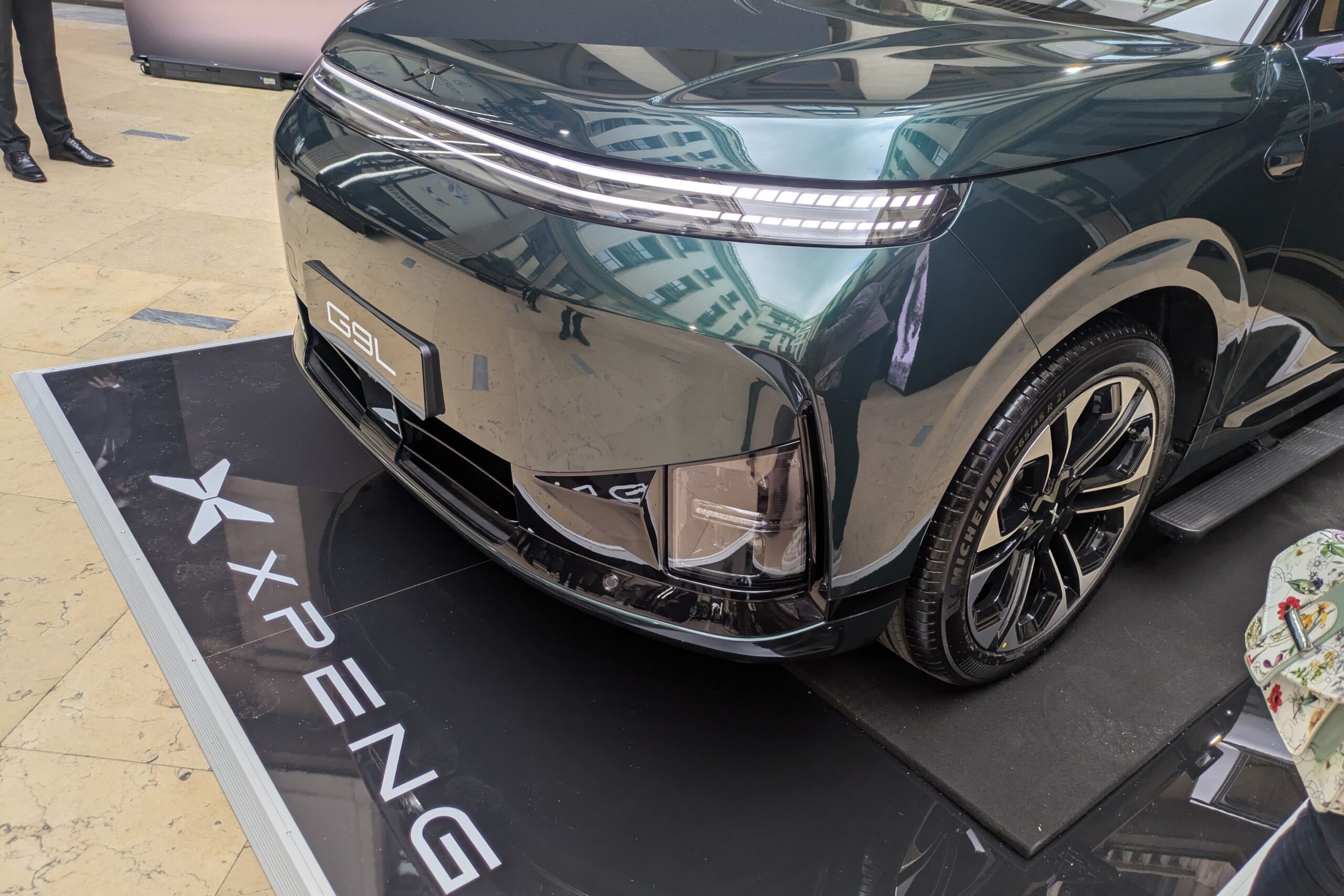
I recently attended the launch of the XPENG G9L at the Paris Motor Show. This represents XPENG bringing their latest tech in a flagship-level vehicle to Europe. This is a vehicle built in Europe and adapted to European buyers that raises the bar for what customers can expect in this class.
In China, the G9L is only offered with two rows, positioned below the even larger GX. However, the European version, to be produced in Graz, Austria, will only be offered with three rows, positioned above the G9. While the G9L is a large vehicle, the GX was considered a little too large for the European market at this time. As such, the G9L will sit at the top of the XPENG range in Europe.
Adding the third row does have some tradeoffs. While front and rear passengers in the two-row Chinese model have zero gravity mode, only the front passenger seat has that available in the European version. The two-row also has a rear powered armrest with a deployable tray table, wireless phone charging and limo-like room. The European second row seats are still extremely comfortable, with heat, ventilation, massage, recline and extending leg rests. But they do not take it to the same level. However, three rows add useability. The third row offers heated, ventilated and reclining seats capable of comfortably fitting full-sized adults.
When going through my video walkaround of the G9L upon the first time seeing it in person, I noticed that I kept saying that it was “comfortable,” “premium” and “usable.” Usable does not mean utilitarian. It can offer utility but doesn’t have to focus on that aspect. Maybe not as “baller” as the two row, but a better configuration to transport a ball team in comfort beyond what most would expect in this class. At the Paris Motor Show, XPENG even fit six burly professional rugby players comfortably in the G9L.
Overall, the G9L represents the point where priorities start to shift. When a large SUV can accelerate from 0-100 km/h in less than 4.9 s, anything beyond that starts becoming irrelevant. You might expect more from a sports car, but not in this class. When range hits 593 km WLTP, far beyond the capability of the typical human bladder on road trips, anything beyond that also starts becoming less relevant. That especially becomes the case when a vehicle can charge at 5C in around 10 minutes. With rapidly expanding infrastructure, the range becomes even less of a concern. XPENG plans to build out thousands of MW level chargers in Europe, buffered by recycled vehicle batteries. I expect their vehicles to increase charging speed to meet the capability of those chargers withing the next couple of years. However, at that point, when cars have equivalent range and replenishment times to ICE with prolific recharging options, priorities shift to other concerns.
There is still a little room for improvement on the EV powertrain, but the fundamentals are starting to reach the point of diminishing returns. You could argue about a tenth of a second, a handful of km of range or a few kW or power, but the differences start becoming less relevant. With the important things needed for transportation increasingly covered, the focus shifts to details and other aspects of the vehicle. Intelligent technology becomes more important. How you fit and interact with the car gains more importance. Especially in this class of vehicle.
In addition, as intelligent driving gets closer to Level 4, priorities also start shifting. As essentially a passenger behind the steering wheel, comfort takes a greater priority. While a vehicle like a G9L can accelerate quickly, it would tend to use a fraction of that capability while driving itself. Although I haven’t driven it yet, the adaptive dampers, dual chamber air suspension and 4-wheel steering are capable of impressive handling and class-leading “moose test” speeds. XPENG has put a lot of effort into tuning the software-defined vehicle for Europe. However, we may see a range of vehicle tunes for different users or increasingly adaptive AI-defined tuning in the future.
With the shift in priorities, more emphasis falls on the interior. In the G9L, the AI-enabled front seats use 176 sensors and 56 air cells to actively adapt to the people sitting in them under different G loads and driving conditions, even if they shift in their seats. 16-point massage in front and 10-point massage in the second row further improve comfort, particularly on long journeys. A powerful 23-speaker audio system combines with a 21.4” rear entertainment screen, halo-like diffused HVAC, power sunshades and sophisticated ambient lighting to provide a movie theater like experience. Passengers can also keep drinks cold in the 12.5l power-opening refrigerator.
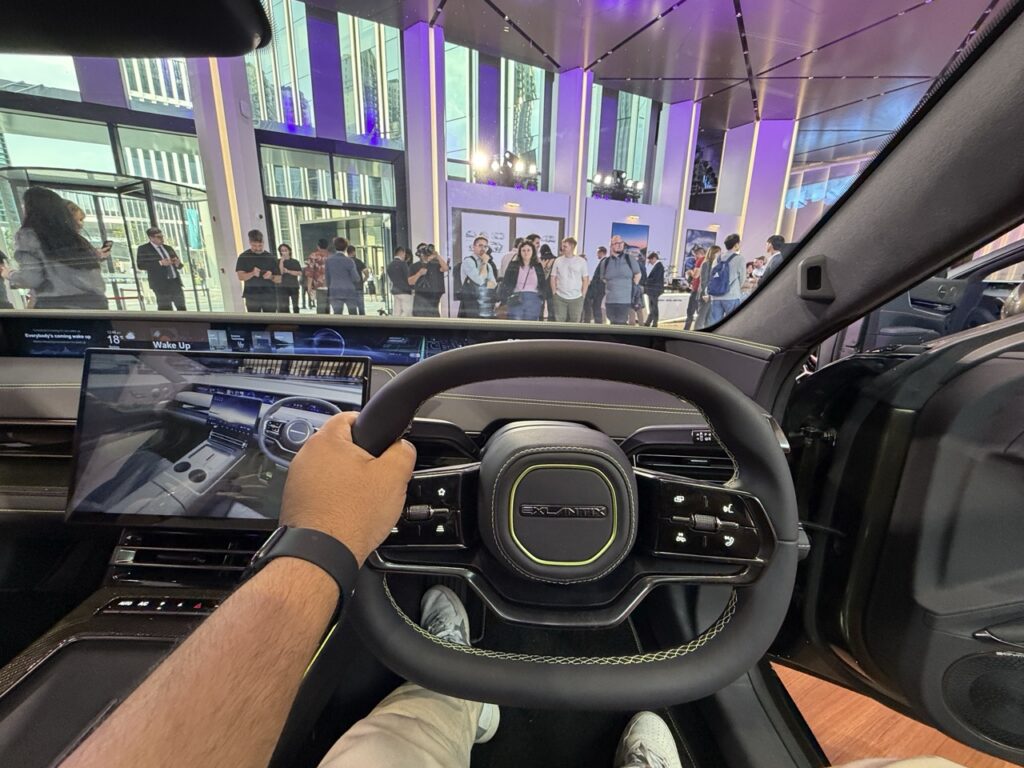
For the driver, there is an 88” projected AR HUD and 17.3” center touchscreen. Physical controls on the steering wheel are also configurable. However, I found myself using the voice control. This will become significantly more conversational and capable soon. It can recognize the voice of the driver to work inside and outside of the vehicle. And, combined with XPENG’s excellent NGP intelligent driving system, you will be able to direct the vehicle to drive to a destination or pull over with your voice. Voice control is also available outside the vehicle, allowing customers who have linked their voice to the car to open the power doors on command.
Overall interior quality was excellent. Seams were perfect. Materials felt luxurious, with soft touch all the way down the door and even inside the door pockets. Everywhere you touch feels premium and looks well executed. Ambient lighting is multi-tiered and adjustable to fit preferences. There is even ambient lighting that shines through tiny perforations in the door leather, reminiscent of the starlight headliners on bespoke Rolls Royce models. While the terracotta/saddle-colored leather may be a more traditional color than what is sometimes offered in China, I thought it looked great with the dark green exterior.
Setting The Class Benchmark
However, where the G9L really stands out is in comparison to other ~5.1 m long, three-row SUVs. Starting at €74,990, the G9L is significantly more expensive in Europe than it is in China. But it starts looking like a bargain in the expensive European market. Even when compared against other models that once impressed.
Next to the XPENG on the show floor was the BYD stand, where they displayed the new ATTO 8, known in China as the Tang L, at essentially the same size and price as the G9L. This is an older model often rumored to soon be discontinued in China as the Datang and new Tang model reach dealers. When the model originally came out, it was impressive. It still has an advantage over the G9L in terms of range, getting up to 653 km WLTP versus 591 km for the G9L. And the ATTO 8 is the first BYD to offer flash charging.
The ATTO 8, along with every BYD that offers flash charging, is made in China. It uses BYD’s second-generation Blade Battery with LFP-based chemistry. LFP tends to give a bit more durability, a flatter charge curve and recommended regular charging to 100%. In Europe, the G9L is only offered with a ternary battery. This offers better energy density, although this is still a large, heavy vehicle. Importantly, ternary batteries are far more available in Europe with a more established supply chain, which could become even more important for the Austria-built European G9L if local sourcing requirements go into effect.
However, the Atto 8 packaging was less efficient and felt noticeably more cramped in the passenger compartment. The rear cargo area did not seem much smaller, but its rounded shape seemed less useful and underfloor storage was lacking, although the BYD had a larger frunk. Seats, screens and onboard tech that once impressed paled in comparison. The same went for overall materials and apparent build quality. While the ATTO 8 had a place for LiDAR, the European model also was not equipped with an advanced intelligent driving system. If we had the Chinese market new Tang or Sealion 08, it might have been a better comparison, but BYD has left those models in China for now.
Also in the same hall was former World Car of the Year, the Kia EV9. While Kia offers a smaller battery model at a slightly lower price, the mid-spec Earth trim with 569 km of range starts at a little over €80,000. However, that model, with 150 kW in RWD, is significantly down in power versus the RWD G9L at 270 kW. The technology onboard doesn’t come close in top trim compared to the base trim G9L. And the interior, which I thought was pretty good in the past, just felt cheap in comparison.
I also explored World Luxury Car of the Year Lucid Gravity. Sitting down into the wagon-like SUV, it just didn’t feel like a luxury car in comparison. Even though the Gravity also seemed impressive in the past, technology, features, amenities, build quality and materials just seemed lacking, despite the much higher price.
For the default, a Tesla Model Y felt unfinished and cheap in comparison. Prices for the smaller YL in Europe have not been confirmed yet, so we will have to wait to see if Tesla positions it at a class below the other larger three row vehicles.
Even Audi and Mercedes models seemed to be a step behind with a surprising amount of hard plastics and less advanced tech. And it was even more disappointing considering the higher prices for similar models, escalating quickly when adding options to try to reach a similar spec. While Land Rover was not present, it also seemed to be behind, based on my past experiences and the recollection of other journalists at the show.
Overall, I struggled to come up with a good comparison. After the Paris Motor Show, I had a few discussions with friends and colleagues who attended. It might sound ridiculous, but the closest may be the Bentley Bentayga, which was also not at the show. Both vehicles are almost identical in size and offer similar performance with three rows available. Due to the electric powertrain and efficient packaging, the XPENG has more room inside. With Bentley dipping into the corporate plastic parts bin in some spots, the XPENG has better interior quality in a number of areas. The G9L lacks a bit of the chrome, doesn’t offer exotic veneer options and not as many animal hides are present, but build quality and feel are easily on par. Bentley’s hand finished paint arguably has an advantage, especially in Mulliner finishes that alone can cost more than a new car. Standard specification has more amenities in the XPENG, although Bentley offers far more personalization. Meanwhile, the G9L has far more advanced technology. Of course, the Bentley costs multiple times as much. The Bentley brand name has a lot of value and the comparison may be a little bit of a stretch, but not as much as you might think.
Overall, it felt like XPENG was setting a new benchmark in the European sub-€100,000 ~5.1 m long, 3-row SUV category with a model that could easily attract buyers looking at far more expensive vehicles. Of course, this is a rapidly evolving market and what once felt like a benchmark could rapidly face new challengers for the top spot. If competition is allowed, EVs will keep getting better at the flagship level, with technology trickling down to higher volume models. In the process, people who may have been looking at a premium, fuel-hungry ICE SUV might consider a more environmentally-friendly EV that is not just a better value but also a fundamentally better vehicle.



Comments
No approved comments yet. Be the first to comment.
Leave A Reply