One of the earliest examples of research into lithium-ion batteries is a CuF
2/Li battery developed by NASA in 1965. The breakthrough that produced the earliest form of the modern Li-ion battery was made by British chemist M. Stanley Whittingham in 1974, who first used titanium disulfide as a cathode material, which has a layered structure that can take in lithium ions without significant changes to its crystal structure. Exxon tried to commercialize this battery in the late 1970s, but found the synthesis expensive and complex, as TiS
2 is sensitive to moisture and releases toxic hydrogen sulfide gas on contact with water. More prohibitively, the batteries were also prone to spontaneously catch fire due to the presence of metallic lithium in the cells. For this, and other reasons, Exxon discontinued the development of Whittingham's lithium-titanium disulfide battery.
Battery
History of the lithium-ion battery
One of the earliest examples of research into lithium-ion batteries is a CuF2/Li battery developed by NASA in 1965. The breakthrough that produced the earliest form of the modern Li-ion battery was made by British chemist M. Stanley Whittingham in 1974, who first used titanium disulfide as a cathode material, which has a layered structure that can take in lithium ions without significant changes to its crystal structure. Exxon tried to commercialize this battery in the late 1970s, but found the synthesis expensive and complex, as TiS2 is sensitive to moisture and releases toxic hydrogen sulfide gas on contact with water. More prohibitively, the batteries were also prone to spontaneously catch fire due to the presence of metallic lithium in the cells. For this, and other reasons, Exxon discontinued the development of Whittingham's lithium-titanium disulfide battery.
Related tools
All tools →Related news
Matched by article tags
In Pictures: Volkswagen recalls 22,524 ID.4 EVs over battery fire risk, tells owners to charge to 80%

In Pictures: Tesla Signs 1 TWh Power Deal for 450 MW Arizona Solar-Plus-Battery Project
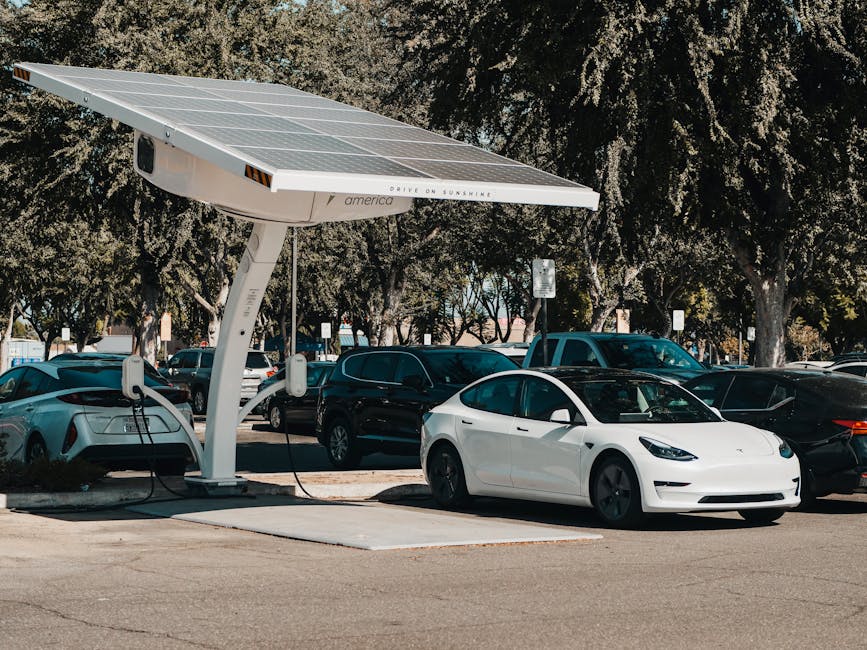
In Pictures: Nio Completes 1.2 Million Battery Swaps in One Week, Proving Swap Tech at Scale

In Pictures: Princeton NuEnergy to Recycle SK Battery America's Georgia EV Battery Scrap in Closed Loop
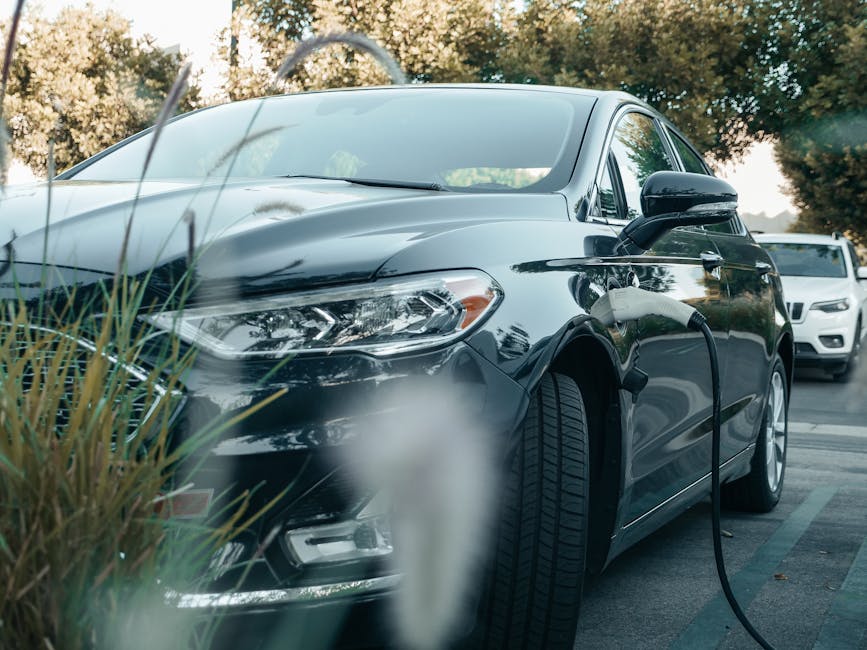
Otovo and InCharge Energy Partner to Bundle Solar, Battery Storage and EV Charging Services

In Pictures: Tesla Powerwall Alternatives: Home Battery Options Worth Considering

Pentagon Awards Amprius $75M to Convert EV Battery Line for Military Drone Cells
