BloombergNEF says US midterm results likely a net positive for battery storage despite data centre headwinds
Summary
BloombergNEF's Derrick Flakoll says Democratic midterm victories are likely a net positive for the battery energy storage system sector, though interconnection reform and data centre development remain open questions. He pushed back on claims that state governors could block data centres via air permits and downplayed BAAJA's relevance to interconnection bottlenecks.
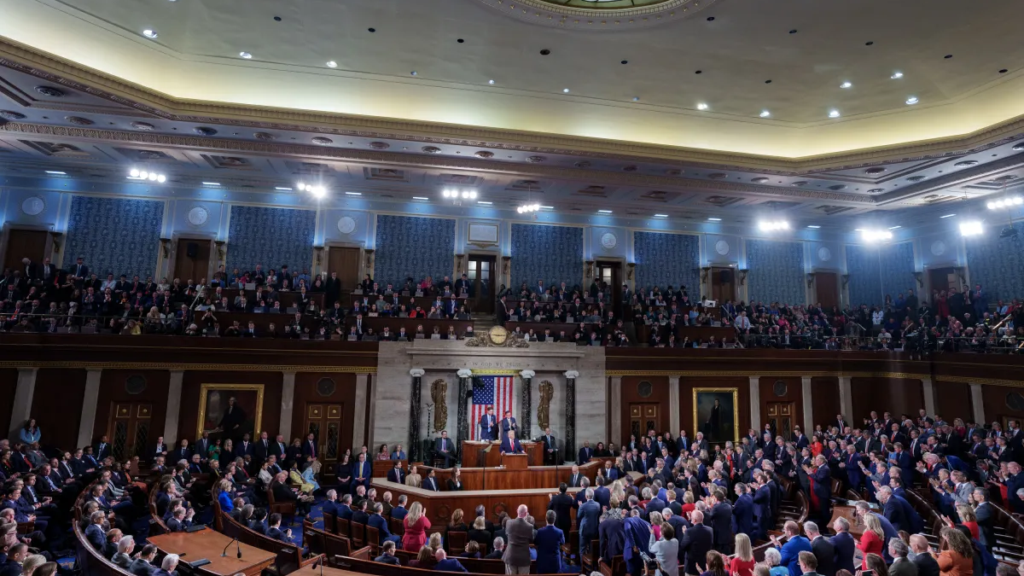
The Democrats’ midterm victories are likely a “net positive” for the battery energy storage system (BESS) sector but questions remain around interconnection reforms and data centre development, according to Derrick Flakoll, senior policy associate for North America at BloombergNEF (BNEF).
Speaking with Energy-Storage.news a few days after the elections, Flakoll pushed back on some of the sharper claims circulating since it became clear the Democrats would take both houses. On the suggestion that new state-level governors could use air permits to delay or block data centre development, for example, Flakoll was sceptical.
“The view of my colleagues who have worked on data centres and air permits is that air permits will rarely stop data centres from being developed,” he said. “I’m not sure the extent to which new state plans for managing air permits would reduce ‘speed-to-power,’ however.”
He also clarified what is actually at stake with federal tax credits, distinguishing between wind and solar incentives and those available to storage.
“Energy storage projects can still get tax credits as long as they begin construction before 2033, are placed in service four years later, and meet requirements to avoid Chinese supply chains, owners, investors, and servicers,” he explained, adding that a growing domestic battery manufacturing pipeline should help BESS developers meet those sourcing requirements.
BAAJA’s limits, and the odds of passage
Flakoll downplayed the relevance of the Bipartisan American Affordability and Jobs Act of 2026 (BAAJA) to the interconnection queue bottleneck that has frustrated storage developers. “BAAJA’s permitting reforms are more focused on federal energy permitting rather than the interconnection processes run by the regional transmission organisation and independent system operators (RTOs/ISOs),” he said.
“The interconnection queue problem, if it is solved, will be solved in RTOs and ISOs and FERC, fairly separately from BAAJA.”
On the bill’s prospects, he noted that the scale of the Democratic win may paradoxically reduce the chances of swift passage. “BAAJA could pass, but the size of the Democratic victory increases the odds that Democrats will try to stall until next Congress to write their own version, and the crowded Congressional calendar makes it hard to pass this bill when there are higher priorities like the budget, debt ceiling and National Defence Authorisation Act.”
A cautiously positive outlook for BESS
Despite the regulatory uncertainty, Flakoll’s overall assessment leans constructive. “Overall, the midterms are likely to be a net positive to BESS over the next two years as newly unified Democratic governments in states like Pennsylvania, Wisconsin, and likely Arizona pass more aggressive renewable and energy storage standards.”
He acknowledged that tighter data centre rules in states such as Texas, Georgia, Ohio and Pennsylvania could create some friction for storage demand tied to AI infrastructure growth, but argued the impact would be limited. “Most regulations being contemplated would slow some developments and weed out speculative ones rather than outright ban data centres and the associated load growth.”


Comments
No approved comments yet. Be the first to comment.
Leave A Reply