In Pictures: Asleep at the wheel: Tesla video sparks debate
auto_awesome AI Summary
A viral video of a Tesla driver appearing to sleep at 100 km/h reignites debate over autonomous driving risks. Despite its name, Tesla’s Full Self-Driving is a Level 2 assistance system requiring constant driver vigilance. The incident underscores the critical need to distinguish driver support from true autonomy.
Summary
A video from Canada appears to show a driver asleep behind the wheel of a Tesla - while in motion. The incident raises renewed questions about the use of driver assistance systems like Tesla's 'Full Self Driving'.
The footage is striking: a Tesla traveling at roughly 100 km/h along a country road while the driver appears to be asleep. Within hours, the video had spread across social media, reinforcing concerns among those who have long viewed autonomous driving as a risky proposition. This coverage centres on full self-driving limits.
FSD: A name that misleads
One thing is clear: Tesla’s “Full Self-Driving” (FSD) is not, despite its name, an autonomous driving system. Even in regions where FSD (Supervised) has received approval (such as the Netherlands, Lithuania, or Estonia), it remains a driver-assistance system classified as SAE Level 2. Responsibility, therefore, always rests with the person behind the wheel. Drivers must monitor traffic and be ready to intervene at any moment.
"‘Full Self-Driving’ is not, despite its name, an autonomous driving system. Responsibility always rests with the person behind the wheel."
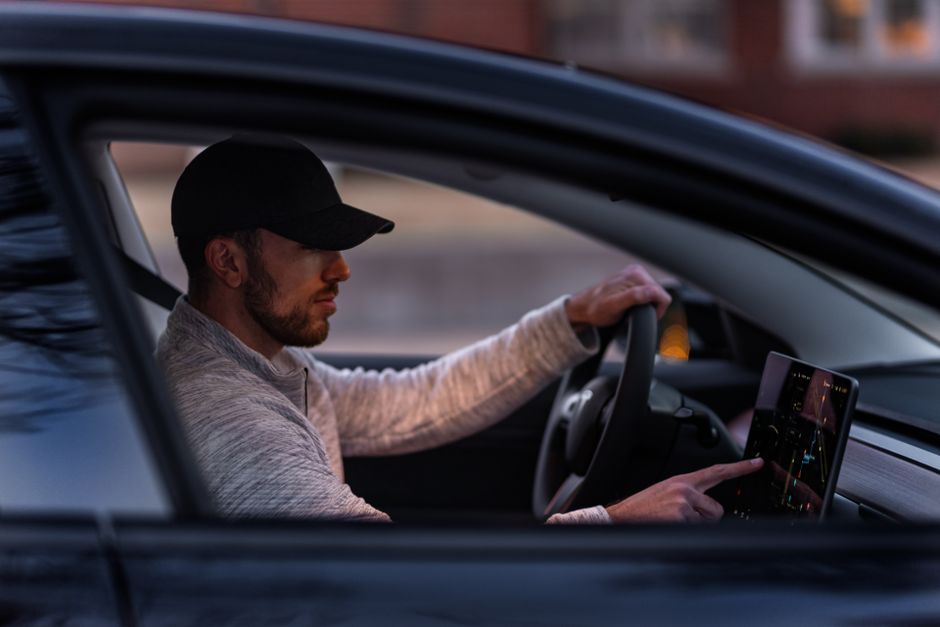
Photo by Leonardo Gonzalez on Pexels
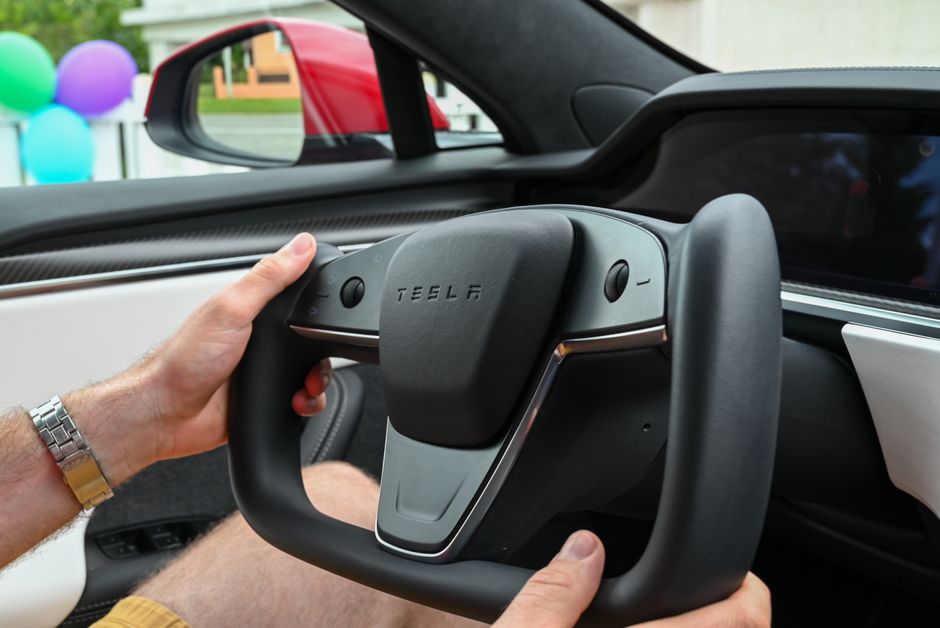
Photo by Vladimir Srajber on Pexels
"Sleeping at the wheel remains firmly off the list of recommended driving practices."

Photo by Borys Zaitsev on Pexels
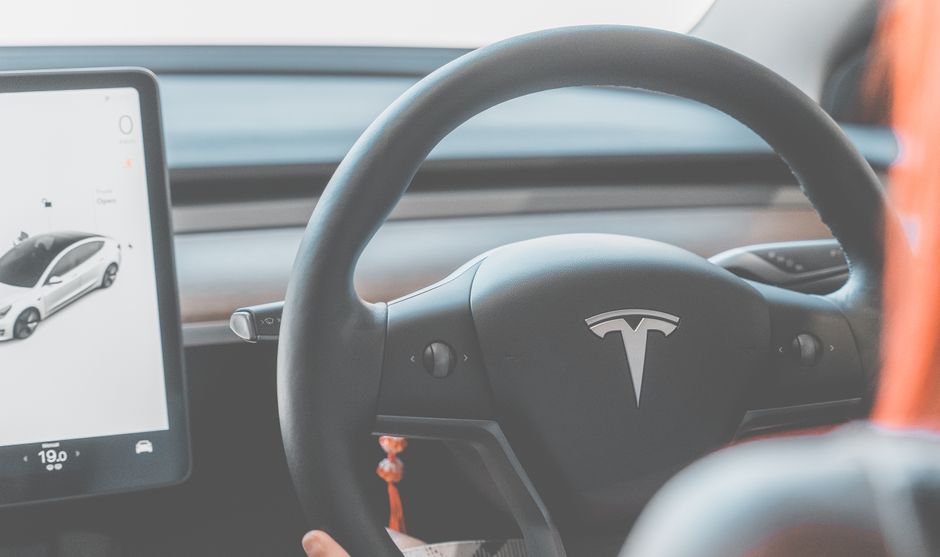
Photo by Elite Power Group on Pexels
From the video alone, it is impossible to determine why the Tesla continued driving in this incident. Whether the driver-monitoring system failed, was bypassed, or the footage captures only a brief moment remains unclear. What is certain, however, is that the incident once again underscores the limitations of today’s assistance systems.
Driver assistance versus autonomy
This episode highlights precisely why a clear distinction between driver assistance and true autonomy matters. Modern systems can support drivers in many situations, but they cannot replace them. While today’s technology achieves remarkable feats, sleeping at the wheel remains firmly off the list of recommended driving practices.


Comments
No approved comments yet. Be the first to comment.
Leave A Reply