In Pictures: Megawatt Charging Hits Europe's Freight Corridors: What Actually Changes for Trucks
Summary
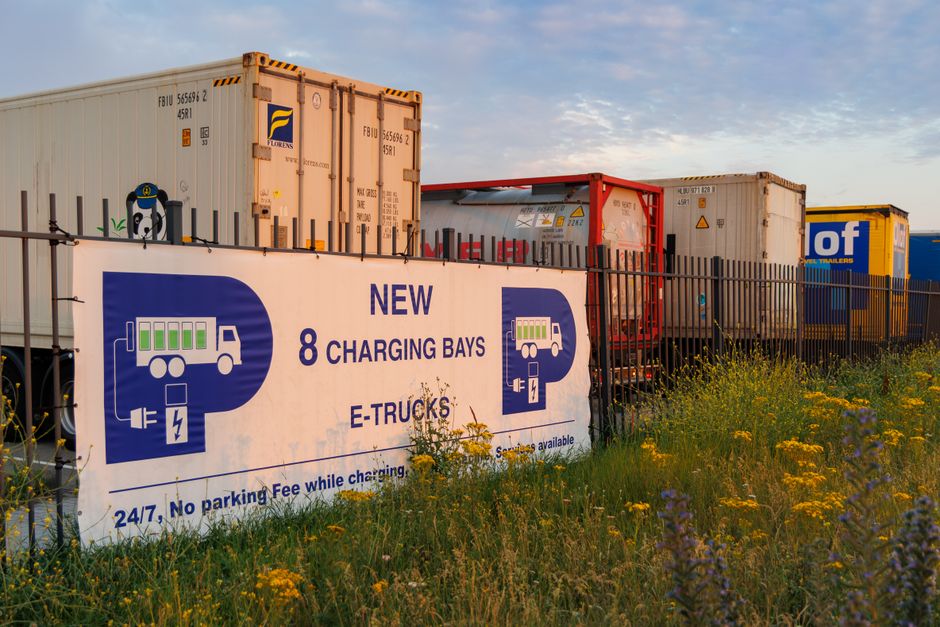
A first wave of megawatt-class chargers is landing on Europe's main freight routes. Here is what MCS means for dwell time, grid upgrades, and whether battery-electric trucks can finally challenge diesel on long hauls.
Europe's heavy-duty electrification story has always hung on one stubborn number: how long a truck must sit still to refill enough energy for the next shift. Overnight depot charging solves many regional routes. Long hauls do not. That is why the first public Megawatt Charging System (MCS) sites along motorway corridors matter more than another passenger-car fast-charge headline.
MCS targets roughly a megawatt of peak power — an order of magnitude above typical CCS public chargers. The promise is not luxury. It is operational math: turn a mid-route energy stop into something closer to a diesel fill-up, measured in tens of minutes rather than hours.
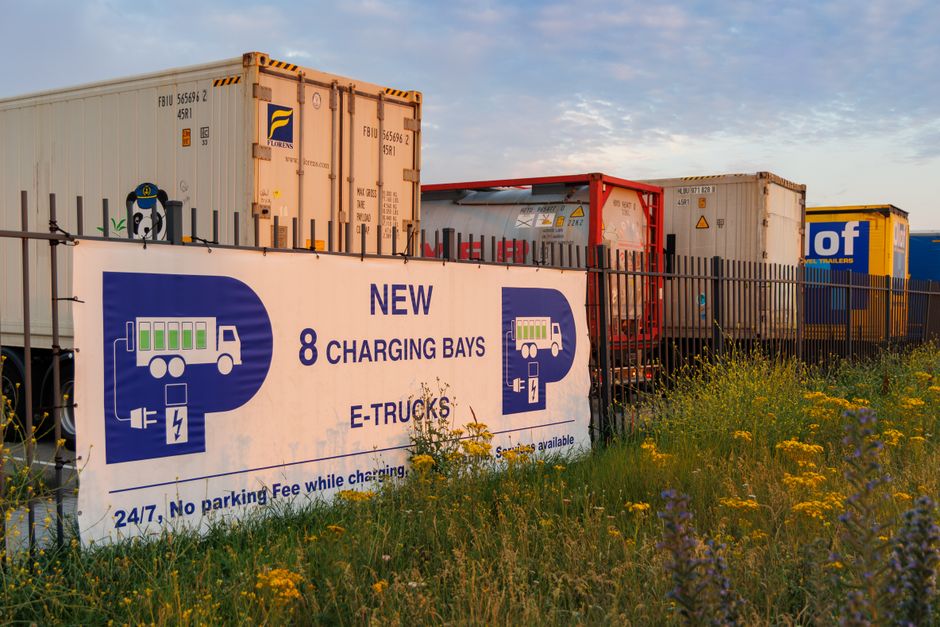
Photo by Igor Passchier on Pexels
Photo by Florian Avramescu on Pexels
"Megawatt charging only green-shifts freight when the grid connection and the appointment system are as strong as the connector."

Photo by Marjan Blan on Pexels

Photo by Andrew Seltz on Pexels
Why corridors beat isolated mega-chargers
A single MW plug is a demo. A corridor is a product. Fleets plan against worst-case gaps between usable high-power sites, plus queue risk at peak afternoon slots. Operators rolling out MCS along the North Sea–Alpine and Iberian–Central Europe spines are therefore competing on reliability as much as raw kilowatts.
- Dwell time — Cutting a 60–90 minute charge window toward 20–40 minutes changes whether a BEV tractor fits a two-driver schedule.
- State of charge discipline — MCS is still fastest in the middle SOC band; dispatch software must stop treating trucks like cars that wait until empty.
- Buffer inventory — Early sites often open with two to six stalls. Fleets that assume unlimited plugs will invent their own congestion.
“Megawatt charging only green-shifts freight when the grid connection and the appointment system are as strong as the connector.”
"A single MW plug is a demo. A corridor is a product."
The hidden constraint is the grid, not the gun
MW hardware is shipping. Substations and queue times at transmission operators are not. Many corridor hubs will phase power — start below theoretical peak, then step up as local reinforcement lands. That means published “1 MW” branding can temporarily mean shared-site limits when three trucks arrive together.
Smart operators pair corridor MCS with depot night charging on renewables-heavy tariffs. Corridor stops become top-ups; depots remain the economics engine. Ignoring that split is how early BEV truck programs burn both drivers and CFOs.
What fleets should demand in contracts
Before rewriting diesel routes:
- Guaranteed stall availability windows — or your “20-minute fill” becomes a lottery.
- Transparent maximum shared-site power, not just per-gun marketing.
- Interoperability for MCS authentication and roaming that works across member states.
- Backup ICE/hybrid contingency plans for the first winter of incomplete corridor density.
GreenShift takeaway
Megawatt charging on European freight corridors is no longer a slide deck — but it is still early infrastructure, not a finished network. Treat 2026 as the year operational pilots prove dwell-time maths under real traffic and shared power caps. Battery-electric trucks win the routes where corridor MCS and depot strategy are designed together, not where someone simply bought a louder charger.


Comments
No approved comments yet. Be the first to comment.
Leave A Reply