New York City Weighs 20+ E-Bike Laws, Including Ban on Class 3 Electric Bikes
Summary
New York City lawmakers are considering more than 20 micromobility bills covering e-bikes, scooters, mopeds, delivery apps, and enforcement. Several proposals would effectively outlaw Class 3 e-bikes, which are currently legal statewide, while others target illegal modifications and delivery company accountability.
New York City lawmakers are preparing this week to consider a sweeping new package of micromobility legislation, with more than 20 bills aimed at e-bikes, electric scooters, mopeds, delivery apps, and enforcement.
Some of the proposals look like fairly reasonable attempts to deal with actual problems surrounding illegal or modified electric bikes. Others go considerably further, including several bills that would effectively eliminate an entire category of legal e-bikes from New York City.
According to Gothamist, the New York City Council’s Committee on Transportation and Infrastructure is set to meet Wednesday to discuss the collection of bills, which range from increased enforcement against illegal vehicles to new requirements for food delivery platforms.
For a bit of background, New York legalized e-bikes statewide in 2020 and created three categories. Class 1 e-bikes use pedal assist up to 20 mph (32 km/h), Class 2 e-bikes can also use a throttle up to 20 mph (32 km/h), and Class 3 e-bikes can provide motor assistance up to 25 mph (40 km/h). Riders must be at least 16 years old, but legal e-bikes don’t require a driver’s license or vehicle registration.
Several of the proposed bills focus on devices that already fall outside those definitions.
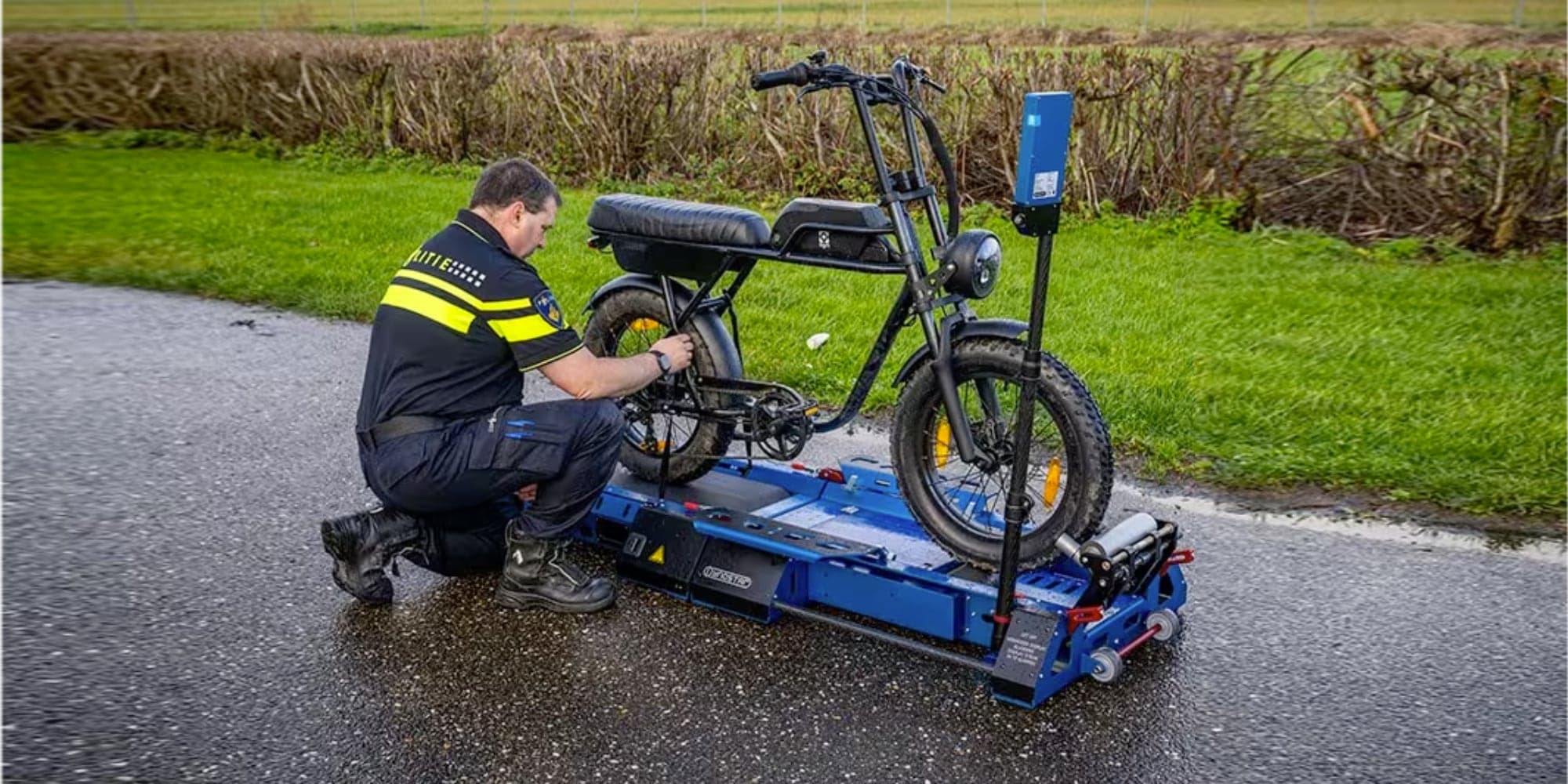
One would establish a program allowing the NYPD and New York City Department of Transportation to use a dynamometer to test suspected illegal micromobility vehicles for their motor power and maximum assisted speed. That could give police an objective way of determining whether a bike has been modified or is simply an electric motorcycle masquerading as an e-bike.
There are also proposals aimed at delivery companies.
One would require delivery apps to verify that mopeds used by workers are properly registered, while another would require the companies to submit annual safety reports and plans.
Councilmember Gale Brewer has introduced a bill that would require food delivery apps to carry liability insurance covering crashes involving workers making deliveries or available to make deliveries.
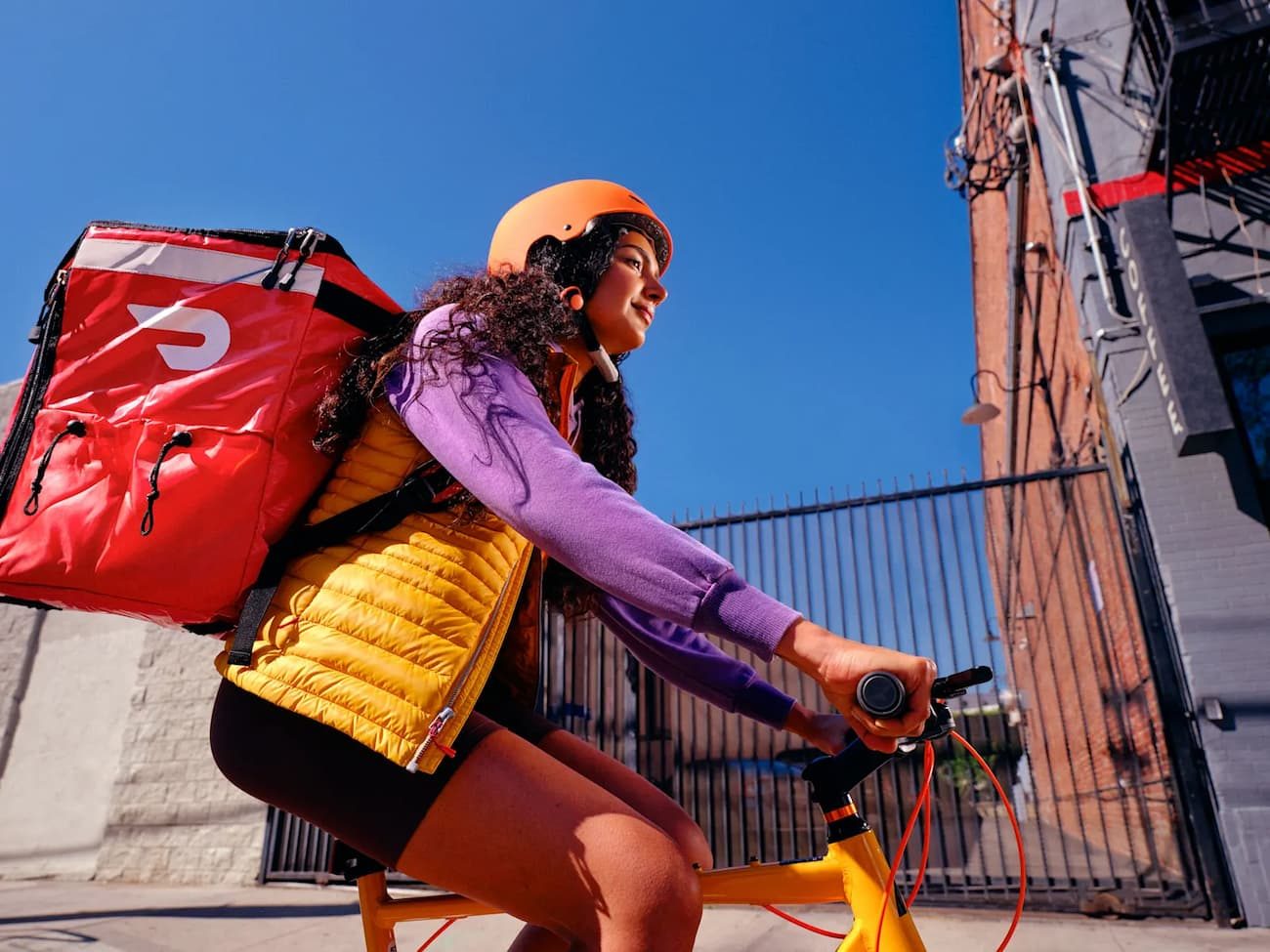
Those measures could have an especially large impact considering the Workers Justice Project estimates around 80,000 e-bike delivery workers operate in New York City.
But then we get to the Class 3 proposals.
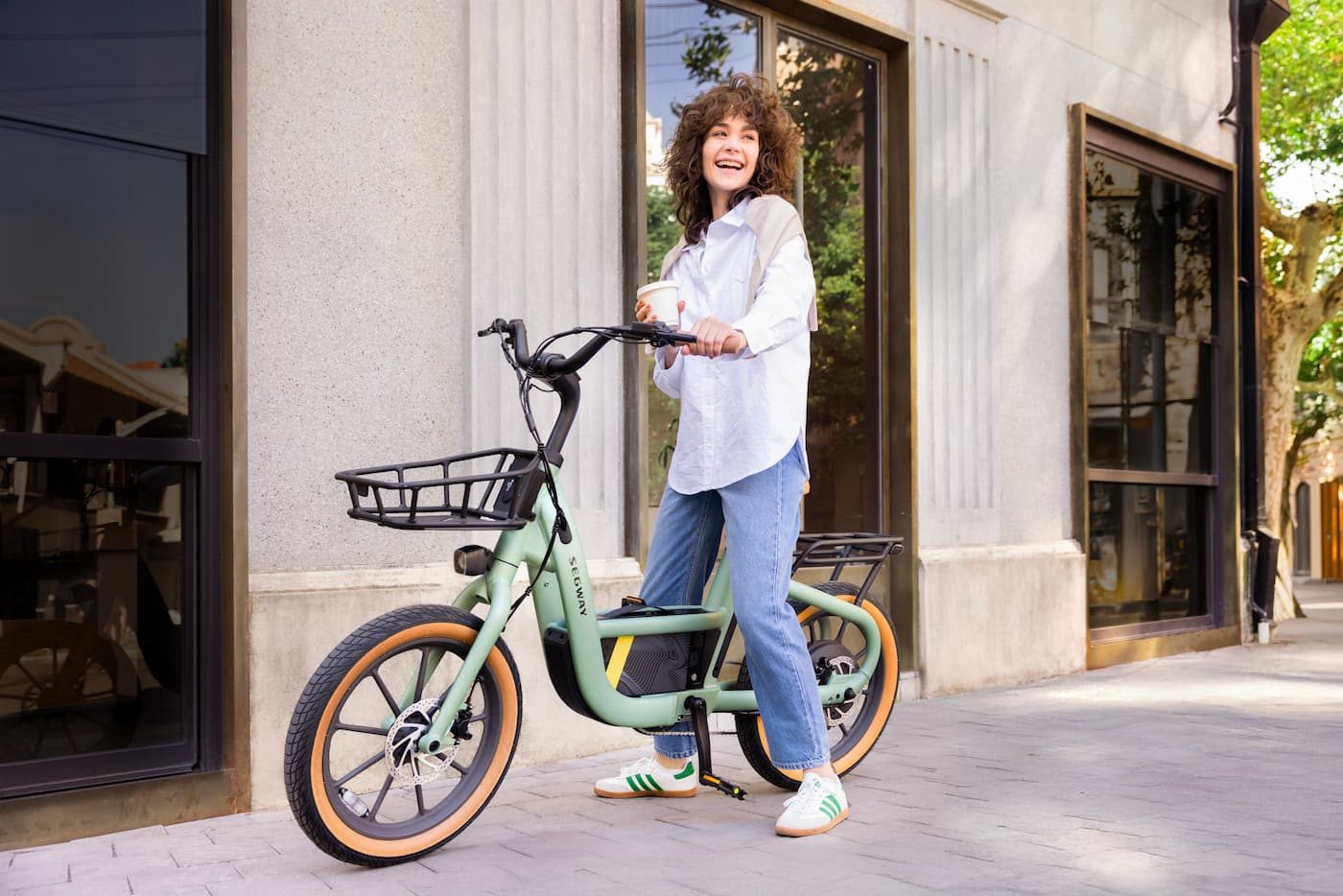
Three bills would specifically target Class 3 e-bikes, the fastest class of e-bikes, which are currently legal under New York’s e-bike framework.
Councilmember Crystal Hudson has introduced legislation that would prohibit shops from selling or renting Class 3 e-bikes. A first violation wouldn’t result in a fine, but subsequent violations could bring penalties of up to $2,000.
A separate Hudson bill would go considerably further by prohibiting people from riding Class 3 e-bikes on streets, in parks, or in other public spaces.
And Transportation Committee Chair Shaun Abreu has proposed creating a trade-in program allowing owners of Class 3 and other ineligible e-bikes to exchange them for a Class 1 or Class 2 e-bike, or receive a voucher toward purchasing one.
That last proposal would presumably help soften the impact if Class 3 bikes were ultimately prohibited, but it also highlights just how significant a change the city is considering.
There is an important distinction between cracking down on illegally modified e-bikes and simply making currently legal e-bikes illegal.
New York already draws a regulatory line at 25 mph (40 km/h) for Class 3 e-bikes – an unfortuantley arbitrary figure compared to the commonly accepted 28 mph (45 km/h) standard in the vast majority of the US, but one that has so far worked. In theory, if riders are operating devices that exceed the legal limits, enforcement tools such as dynamometer testing could help authorities identify those vehicles without sweeping legal e-bikes into the same category. It’s already employed in Europe to good effect.
The proposed Class 3 ban takes a different approach by moving that line downward and removing a category of e-bike that New York currently permits.
It also comes amid a broader push to reduce e-bike speeds in New York City. Last year, the city ordered Citi Bike to reduce the top assisted speed of its gray electric bikes from 18 mph (30 km/h) to 15 mph (25 km/h).
Whether New York City ultimately adopts any of these proposals remains to be seen. Wednesday’s committee meeting is part of the legislative process, and New Yorkers have been invited to testify either in person or remotely.
But with more than 20 micromobility bills arriving at once, the debate is becoming less about whether New York should regulate e-bikes and more about where exactly lawmakers should draw the line between addressing illegal vehicles and placing new restrictions on the legal ones already being used across the city.

Comments
No approved comments yet. Be the first to comment.
Leave A Reply