Electric Vehicles
Bidirectional Charging Fleets Are Stress-Testing V2G Claims
Summary
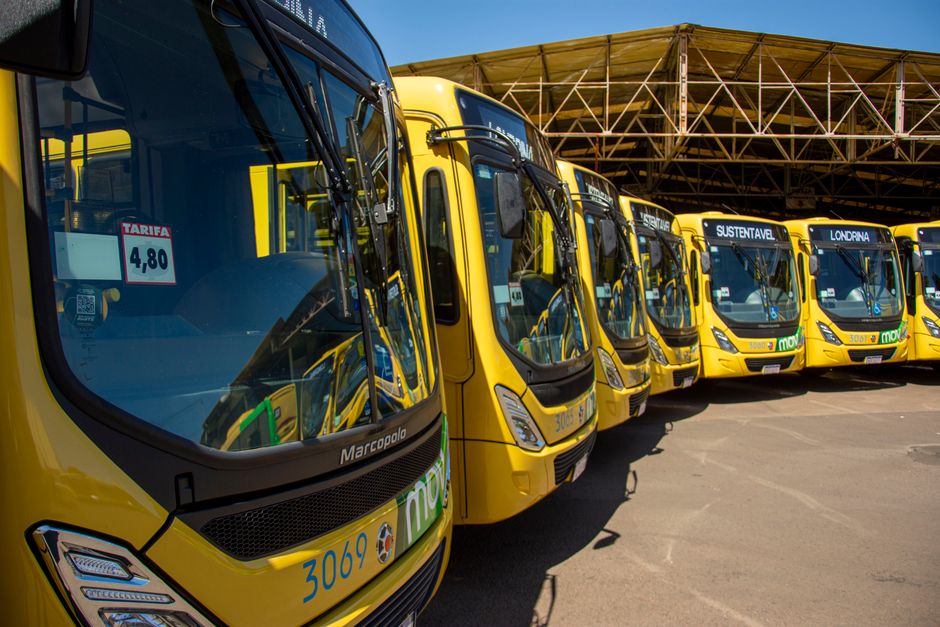
School buses and depot vans are the first serious V2G labs. The tech works in demos; tariffs, warranties and aggregator contracts decide whether cash flows follow.
Passenger cars get the V2G headlines. Predictable depot schedules make fleets better testbeds for exporting power without stranding drivers.
What to verify beyond the press kit
- Tariff clarity — Export rates must beat degradation and downtime costs.
- Warranty language — OEMs still fence bidirectional cycles carefully.
- Aggregator role — Someone has to bid flexibility without breaking pullout times.
“V2G without a tariff is just a science fair.”
GreenShift takeaway
Treat bidirectional fleets as energy-market projects with mobility constraints — not as a free battery attached to a parking lot.


Comments
No approved comments yet. Be the first to comment.
Leave A Reply